


Views: 0 Author: Site Editor Publish Time: 2026-09-13 Origin: Site


Operating expensive 110V equipment on a 220V electrical grid introduces serious risks. If you mismanage this voltage mismatch, you face catastrophic equipment failure. You also risk severe fire hazards and instantly voided warranties. Many operators mistakenly rely on cheap travel adapters. They assume changing the physical plug shape solves the problem. However, travel adapters do not manage electrical potential. A true converter alters the voltage safely. It protects your valuable hardware from immediate destruction.
This article provides a definitive framework to evaluate your electrical needs. You will learn how to size and source the correct equipment for your specific load. We cover everything from protecting sensitive audio gear to powering heavy-duty industrial machinery safely. Read on to master compliant and highly efficient voltage conversion.
Voltage converters must be sized at minimum 1.5x to 3x the continuous wattage of the connected device, depending on load type (resistive vs. inductive).
Frequency (50Hz vs. 60Hz) is *not* converted by a standard step down voltage converter; this impacts motorized and timing-sensitive devices.
For facility-level or heavy machinery integration, commercial-grade solutions (like a dry type step down transformer) are required for safety and compliance.
Never use a converter in reverse (110V to 220V) unless explicitly designed and rated as bi-directional.
Most generic converters fail because users misunderstand basic electrical mechanics. We must differentiate between heavy copper-coil transformers and lightweight electronic converters. A magnetic transformer handles continuous loads safely. It uses massive copper coils to induce a new voltage magnetically. This process outputs a clean, pure sine wave. Conversely, solid-state electronic converters simply clip the incoming electrical wave. They reduce the average voltage artificially. They only work well for basic heating elements like travel hair straighteners. Do not use them for motorized devices.
Power quality acts as a massive variable here. Inferior electronic units produce modified sine waves. They generate substantial electrical noise. This distortion degrades sensitive electronics quickly. Audio equipment, medical devices, and IT infrastructure suffer under poor power quality. You will hear annoying audio hums. You will experience random computer reboots.
Then we face the notorious frequency trap. This issue represents the most common failure point globally. A standard step down voltage converter lowers voltage, but it ignores frequency entirely. If you step a 220V/50Hz supply down to 110V, it remains 50Hz. American equipment expects 60Hz. A 60Hz US motor running on a 50Hz supply spins 17% slower. It loses vital torque instantly. It draws excess current to compensate. Eventually, the internal coils overheat and burn out. Always verify equipment frequency requirements before plugging anything into a wall outlet.
Understanding your actual electrical load determines your success. You must size your equipment based on specific load behaviors. Different machines draw power differently during startup.
Table 1: Load Sizing Multipliers for Safe Conversion
Load Type | Common Equipment Examples | Required Wattage Multiplier | Startup Behavior Profile |
|---|---|---|---|
Resistive | Space heaters, incandescent lamps, toasters | 1.5x Continuous Wattage | Draws steady, predictable current from power-on. |
Inductive | Air compressors, power tools, heavy machinery | 3.0x - 4.0x Continuous Wattage | Experiences massive inrush current spikes at startup. |
Resistive loads generate heat or light. They pull a steady current constantly. You only need a simple 1.5x multiplier for these items. Inductive loads use electric motors or compressors. They demand massive inrush current during the initial startup phase. This surge easily reaches three times the normal running current. You must over-size your converter by 3x to 4x to handle this startup surge safely. If you fail to account for inrush current, you will blow fuses instantly.
Next, distinguish between continuous and peak power ratings. Manufacturers often inflate specifications for marketing purposes. They highlight peak burst wattage in bold letters on the box. You must read the actual spec sheet carefully. Look for the continuous operating wattage. Peak ratings only last milliseconds. They cannot sustain a machine operating all day.
Finally, always maintain a strict margin of safety. We recommend a standard 20% overhead buffer for all continuous operations. This buffer prevents dangerous thermal overload. It prevents the internal coils from overheating during extended use. This simple buffer extends your equipment lifespan significantly.
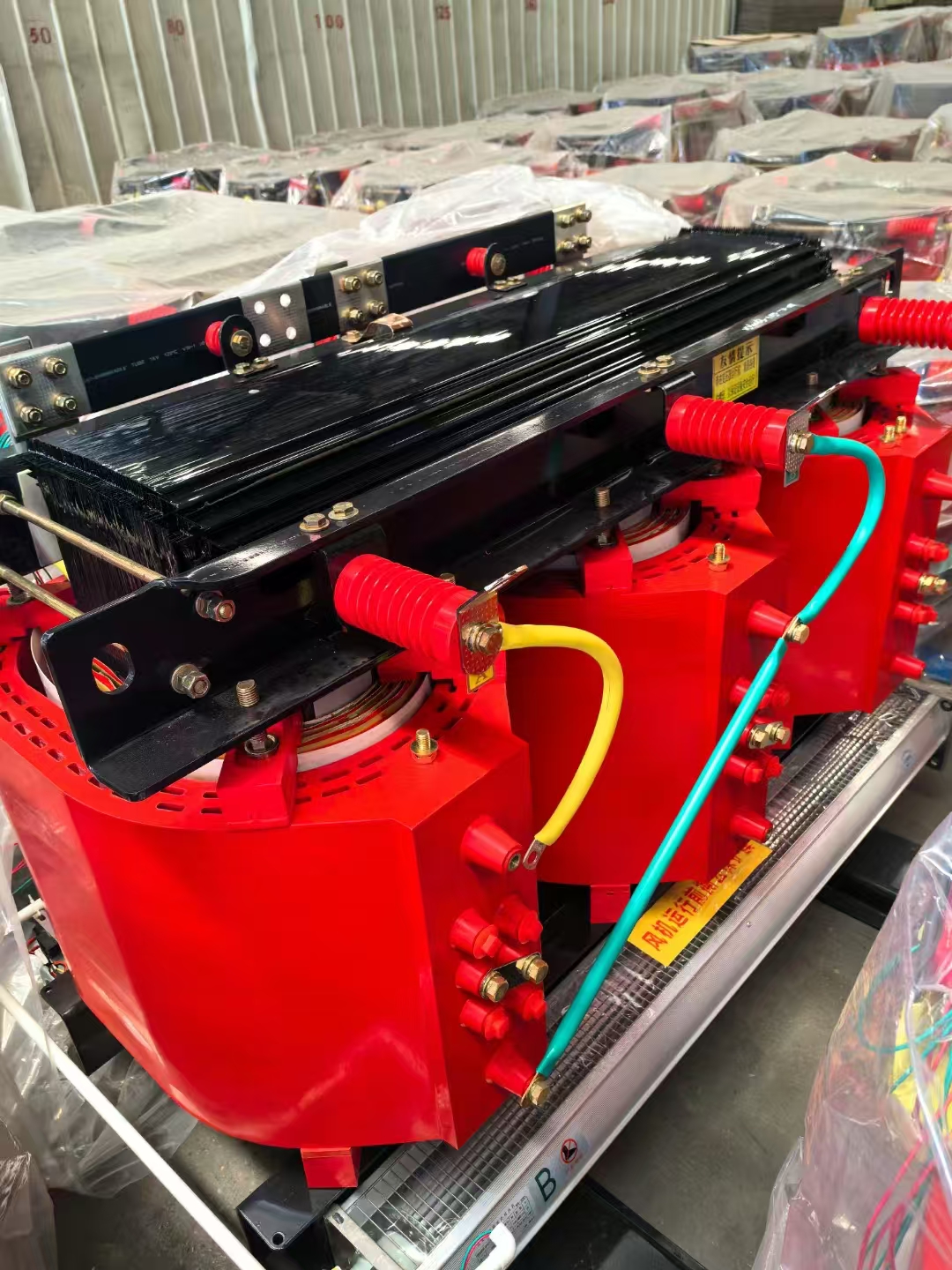
Moving beyond single-device plug-in units requires serious infrastructure upgrades. Commercial machinery demands robust facility-wide power distribution systems. You cannot rely on consumer desktop converters here. They lack the necessary safety ratings for industrial deployments.
A dry type step down transformer serves as the undisputed standard for indoor industrial environments. It cools itself purely via ambient air circulation. This design completely eliminates dangerous oil leak risks. It lowers facility fire risks dramatically. It remains highly environmentally safe. You can install it indoors near the actual machinery safely.
For harsher environments, you must upgrade your insulation strategy immediately. A cast resin step down transformer excels when exposed to severe elements. We use them in areas battling moisture, heavy dust, or chemical vapors. Manufacturers encapsulate the internal copper windings fully in solid epoxy resin. This casting provides superior insulation against corrosive elements. It prevents internal short circuits and extends operational longevity significantly.
Utility-to-facility scaling demands even higher capacities. Large factories often deploy a 10kV to 0.4kV dry type transformer for localized power drops. It steps massive utility grid voltages down safely. From there, the facility distributes the power smoothly to 220V or 110V sub-panels. This multi-tiered approach keeps high voltage away from factory floor workers. It creates a safe, manageable electrical grid inside your building.
Selecting the correct unit requires a strict evaluation matrix. Do not buy based on price alone. Focus heavily on these core criteria to ensure safety:
Component Quality: Seek out toroidal transformers over cheaper EI-core models. Toroidal cores feature a continuous ring shape. They offer much higher electrical efficiency. They also produce significantly lower electromagnetic interference. This protects nearby electronic sensors from data corruption.
Safety Certifications: Never compromise on official compliance markers. Look for UL, CE, or CSA certification badges. Lack of certification introduces massive legal liability. It can also void your commercial insurance policies immediately after a fire.
Built-in Protections: Insist on essential safety features. Your unit must incorporate thermal trip switches to prevent core meltdowns. It should feature easily accessible, replaceable fuses. Robust, built-in grounding protocols remain absolutely non-negotiable for human safety.
Warranty & Longevity: Check the manufacturer duty cycles very carefully. Ask if the unit explicitly supports 24/7 continuous operation. Many cheap consumer models only handle temporary, intermittent use. They will fail if left running constantly.
Installation practices dictate system safety and performance entirely. You must choose between hardwiring and plug-and-play setups carefully. Consumer desktop units handle basic office equipment well. They plug directly into standard wall outlets. However, industrial machinery requires permanent, secure hardwiring. Always hire a licensed commercial electrician for these complex integrations. They understand local electrical codes and safety regulations.
Avoid the incredibly dangerous reversing myth. Some users wire a step-down unit backward, attempting to step up voltage. This technical misconception creates massive electrical hazards. It compromises insulation ratings built for specific input sides. It also ruins vital grounding pathways. Never reverse a unit unless it holds a specific bi-directional rating from the manufacturer. You risk fatal electrocution or severe equipment fires.
Thermal management often gets ignored during installation. Transformers generate significant heat under heavy continuous loads. They demand adequate ventilation to prevent overheating. Placement matters immensely in tight spaces. You must ensure proper airflow inside enclosed server racks. Never block the side ventilation grills. Industrial enclosures require active cooling fans. These fans maintain safe ambient temperatures and prolong equipment life.
Proper voltage management prevents costly downtime and dangerous accidents. We recommend following a logical evaluation flow to guarantee success.
Identify your specific load type (resistive vs. inductive).
Calculate the exact surge wattage required for safe startup.
Verify frequency compatibility (50Hz vs. 60Hz) before proceeding.
Select the appropriate form factor and industrial grade.
Take action immediately to protect your investments. Audit your equipment data plates today. Document the exact wattage, amps, and Hz requirements clearly. Compare these numbers against your facility's power supply. Consult a qualified electrical engineer if your industrial machinery demands complex continuous loads. Doing so ensures safe, compliant, and highly efficient daily operations.
A: Yes, but you must size it correctly. Refrigerators use inductive compressors that demand massive startup surges. You need a converter rated at least three to four times the refrigerator's continuous running wattage. Additionally, verify the frequency. Running a 60Hz US compressor on a 50Hz international supply will cause it to run hot and fail prematurely.
A: No, it absolutely does not. A standard voltage converter only alters electrical potential (voltage). It passes the source frequency straight through to your device. Plugging a 60Hz AC motor into a 50Hz supply stepped down to 110V will slow the motor by 17%. This mismatch overheats equipment rapidly. You need a separate frequency converter for this task.
A: The difference lies in their internal mechanics. An electronic voltage converter uses solid-state components to clip the sine wave. It is lightweight but only works for basic resistive heaters. A step down transformer uses heavy magnetic induction coils. It produces a clean, continuous sine wave. This makes it safe for electronics, motors, and sensitive medical gear.
A: Yes, provided you purchase a unit explicitly rated for continuous 24/7 duty. It must also have adequate ventilation to dissipate heat safely. However, be aware that transformers draw a small amount of phantom power even when the connected device remains turned off. Unplugging it when not in use saves energy and extends the internal component lifespan.

