


Views: 0 Author: Site Editor Publish Time: 2026-01-21 Origin: Site


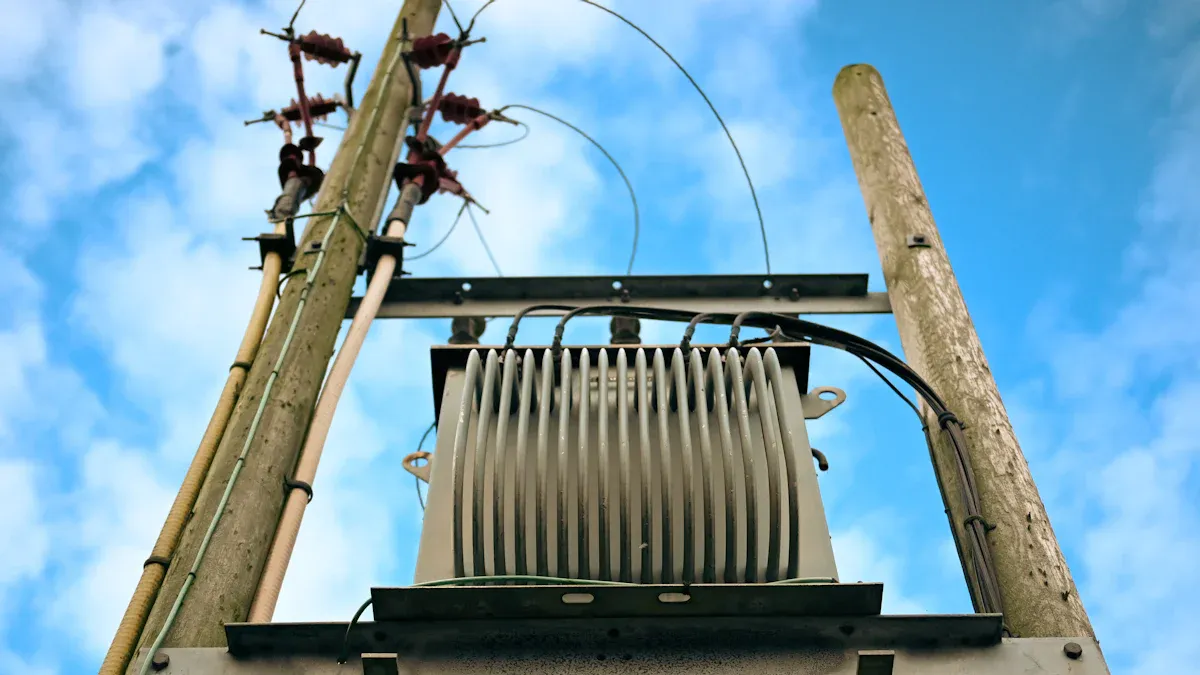
You want your home to have safe and steady electricity each day. A power transformer helps by keeping voltage levels even and stopping dangerous spikes. You can avoid problems like overheating and electrical fires if your system works right. Learning how these devices protect your home helps you stay safer.
Power transformers help keep your home safe. They control voltage and stop electrical fires. Regular checks and care for transformers find problems early. This helps them work safely. Pick the right transformer for your needs. You may need a step-down or isolation transformer. This makes things safer and work better. Always get a certified electrician to install or fix transformers. This keeps you safe from high voltage dangers. Watch for warning signs like hot outlets or odd noises. Call a professional if you see anything strange.
A power transformer is a device that moves electricity between circuits. It does not have any moving parts. You can find it as a big box or cylinder near your house or inside panels. The main job of a power transformer is to change voltage so your appliances get the right power.
Here is how a power transformer works step by step:
You send alternating current to the primary coil. This makes a changing magnetic field in the core.
The magnetic field goes through the iron core. It connects to the secondary coil.
The changing magnetic field makes voltage in the secondary coil. This follows Faraday’s Law of Electromagnetic Induction.
The number of coil turns sets the voltage change. More turns in the secondary coil means higher voltage (step-up). Fewer turns means lower voltage (step-down).
Tip: You do not need to know every detail. Just remember that a power transformer safely changes voltage for your home.
You depend on a power transformer to keep your home’s electricity safe and steady. It does many important things:
Electrical isolation: The transformer keeps parts of the power system apart. This stops problems from spreading and keeps you safer.
Voltage regulation: Some transformers change voltage levels. They help keep voltage steady when your home uses more or less electricity.
Prevention of electrical fires: Modern power transformers use safety tools like protection relays and circuit breakers. These stop trouble before it gets bad. Automatic extinguishing systems can put out fires fast. Regular checks, like ultrasonic testing and dissolved gas analysis, find problems early and stop big dangers.
You might think only big transformers are risky. But all transformers can be dangerous if you do not use them right. Even small ones store energy and carry current. Never touch a transformer, even if you do not see sparks. Home transformers may look safer than industrial ones, but they still have high voltage and stored energy.
When you look at power transformers and other safety devices, you see differences. Power transformers change voltage and help save energy. Their main dangers are fire and explosion from overheating or insulation problems. Early warning systems like dissolved gas analysis and temperature checks help protect your home. Switchgear protects and controls circuits. It handles arc flash problems and uses special detection systems.
Note: Always respect the power transformer in your home. It keeps your electricity safe, but it needs care and attention.
You use electricity every day at home. You might not know how it gets there safely. A power transformer is very important in this process. It uses electromagnetic induction to change voltage levels. Here is what happens:
The primary coil gets electric power and makes a magnetic field.
The magnetic field goes through the iron core to the secondary coil.
The changing magnetic field creates an electromotive force (emf) in the secondary coil. This follows Faraday's law of induction.
The number of turns in each coil decides how much the voltage changes. More turns in the secondary coil means higher voltage. Fewer turns means lower voltage.
A power transformer can lower high transmission voltages to safe levels for your home. For example, electricity travels on power lines at thousands of volts. The transformer changes this to 120V or 230V for your house. This lets electricity move far without losing energy. You get steady electricity because the transformer gives electrical isolation and helps with voltage regulation.
Tip: You do not need to know every technical detail. Just remember that voltage transformation makes electricity safe for your home.
Voltage transformation keeps you and your family safe from electrical dangers. When a power transformer lowers high voltage, it protects your outlets and appliances. You avoid dangerous surges and overheating. Stable voltage regulation stops damage to your devices and lowers the risk of electrical fires.
Here are some problems you might have without good voltage transformation:
Warm outlets and shocks from bad wiring or overloaded circuits.
Flickering or dim lights from loose connections.
Smoke or burning smells from outlets, which means serious wiring damage.
Buzzing or humming sounds from wiring, showing broken parts.
Appliances that break often, pointing to electrical problems.
A power transformer helps stop these dangers by keeping voltage steady and safe. You get reliable electricity at home and lower the chance of accidents. When you use a transformer with good voltage regulation, you protect your family and your home.
Note: Always look for signs of trouble, like warm outlets or flickering lights. If you see anything strange, call a professional right away.
When you check your home's electrical system, you see different power transformers. Each one does a special job and helps keep electricity safe.
A step-down transformer lowers high voltage from power lines. It makes the voltage safe for your house. This device takes thousands of volts and changes it to 120V or 230V. Your appliances need this lower voltage. Step-down transformers only adjust voltage. They do not have extra safety parts. But they help stop energy loss. You can find these transformers on poles or in boxes near your home. Small homes use single-phase transformers. Big buildings use three-phase transformers.
| Transformer Type | Function | Safety Features |
|---|---|---|
| Step-Down Transformer | Lowers voltage for home use | Focuses on voltage adjustment |
| Isolation Step-Down Transformer | Lowers voltage and gives isolation | Protects against surges, noise, and ground loops |
Tip: Step-down transformers keep voltage safe. They help stop overheating and fires.
Isolation transformers protect sensitive electronics. They give electrical isolation and lower shock risk. These transformers block noise and interference. Your computers and TVs work better. They stop power surges and current changes. Your equipment stays safe. You also get shielding from other power sources. This helps stop interruptions. Dry-type transformers are safer inside and help save energy.
Gives electrical isolation for safety.
Cuts noise and interference in electronics.
Stops surges and current changes.
Shields from other power sources.
You pick whole-house or appliance transformers for your needs. Whole-house transformers handle all electricity coming into your home. They work best for big homes or places with many devices. Appliance transformers help single devices like fridges or TVs. Some equipment needs higher voltage. You may use a step-up transformer for that. Oil-immersed transformers work outside and for high power. Dry-type transformers are good for indoor use.
Note: Picking the right power transformer helps save energy. It keeps your home safe.
You need to pick the right power transformer for your house. The best choice helps you save energy and keeps your system safe. Think about these important things before you buy:
| Criteria | Description |
|---|---|
| Voltage Rating | Make sure input and output voltage match your needs |
| Power Capacity | Pick one for your highest and normal power use |
| Cooling Method | Choose oil-immersed or dry-type for your area |
| Application | Use for homes, factories, or green energy |
| Installation Environment | Put it inside, outside, or in wet or rusty places |
| Compliance | Follow safety rules and local laws |
A transformer with the right rating gives you steady voltage. It can handle changes in power and stops overheating. If you get one with enough power, you are ready for future needs.
Safe installation keeps your home safe and saves energy. Do these steps for a good setup:
Build a strong base for the transformer.
Check seals and fluid levels before you start.
Make sure wires are tight and in the right place.
Lock the cabinet so the transformer stays safe.
Ground the transformer by safety rules.
Turn on the transformer and check the voltage.
Connect your house to the secondary terminals.
Look over everything before you turn on the power.
Tip: Always get a licensed electrician to install your power transformer.
Regular care keeps your transformer working well. You should:
Test the oil for water and health.
Use sealed tanks or silica gel breathers to keep out water.
Change or clean the oil when needed.
Look for leaks, broken seals, and too much heat.
Watch the load so you do not overload it.
Put in temperature sensors to check for hot spots.
Keep the area clean and safe.
Look out for these warning signs:
| Symptom | Indicates |
|---|---|
| Smoke or oil leak | Trouble with insulation or pressure |
| Tank bulging | Pressure building up inside |
| Oil discoloration | Heat stress |
| Strange sounds | Electrical discharge |
| Burning smell | Too much heat |
| Voltage issues | Problem with tap changer or winding |
If you see any of these, call a professional right away. Bad care causes about 2.7% of transformer failures at home. Stay alert and keep your system safe.
You can keep your home safe by following easy safety steps with a power transformer. Always keep the space around the transformer open. This helps stop fires and makes fixing things easier. Do not use too much electricity at once. Too much power can make things hot and start fires. Protect your transformer from rain and storms. Use surge protectors and waterproof covers. Clear away snow and ice in winter.
Use good grounding to lower shock risks. If the power goes out, do not touch the transformer. Wait for an expert to fix it. Watch for signs of overheating like weird smells or color changes. Never try to fix a transformer yourself. High voltage is very dangerous. Make an emergency plan for your family. Upgrade old transformers to make your home safer and save energy.
| Safety Precaution | Description |
|---|---|
| Keep the Area Clear | Stop fires and make repairs easier. |
| Avoid Overloading the System | Stay safe by not using too much power. |
| Protect Against Weather | Use surge protectors and covers; clear snow and ice. |
| Use Proper Grounding | Lower shock risks by grounding the transformer. |
| Be Cautious During Outages | Do not touch transformers; wait for experts. |
| Monitor for Overheating | Watch for smells or color changes and call an electrician. |
| Never Attempt DIY Repairs | Only let certified electricians fix transformers. |
| Plan for Emergencies | Make a plan for transformer problems. |
| Upgrade Aging Transformers | Change old units for better safety and energy use. |
Cut power at the breaker before working near transformers. Put in fuses to stop overloads. Never skip safety devices like fuses.
Stay far away and wear safety gear.
Use lockout/tagout steps when fixing things.
Turn off and ground transformers before work.
Use insulated tools and rubber gloves.
Check for leaks and test oil often.
Put in fire suppression systems.
Keep flammable things away from transformers.
Look for damage or rust.
Use infrared thermography to find hot spots.
Learn about dangers and emergency plans.
⚡ Tip: Safety training helps you and your family know what to do if there is an emergency.
Call an expert if you see smoke, oil leaks, bulging tanks, or hear weird sounds from your transformer. Burning smells or voltage problems mean you need help. Certified electricians have special training and know what to do. They can handle high voltage and hard repairs.
| Qualification Type | Description |
|---|---|
| Customer and Personal Service | Knows what customers need and keeps up good standards. |
| Mathematics | Uses math for safe work and repairs. |
| Education and Training | Teaches others about safety and good ways to work. |
| Public Safety and Security | Follows safety rules and steps. |
| Engineering and Technology | Uses engineering for safe transformer design. |
| Mechanical | Knows machines, tools, and how to fix them. |
| Installation Knowledge | Understands different transformer types. |
| Repair Knowledge | Fixes transformers and handles warranties. |
| Advanced Knowledge | Works on hard transformer jobs. |
| Organizational Knowledge | Knows business rules and problems. |
| Mechanical Design Knowledge | Designs and fixes transformer parts. |
| Bushing Knowledge | Works with different bushings. |
| Long-term Experience | Installs high voltage bushings safely. |
️ Note: Always hire a certified electrician for installation or repair. This keeps your home safe and stops accidents.
If you feel unsure or see warning signs, do not wait. Call an expert right away. You keep your family and home safe by acting fast.
You make your home safer when you know about power transformers. These devices lower high voltage to safe levels. They also keep your circuits apart from the main grid. Power transformers help control surges that can hurt your home. Picking the right transformer and using safety rules protects your family. Watch for warning signs and call experts if you see trouble.
| Condition | Without Transformer | With Transformer |
|---|---|---|
| Grid Voltage at Home | 11,000 V comes into your yard | 230 V comes safely to your house |
| Appliance Impact | Things can burn or explode | Everything works safely |
| Risk to Human Life | Touching can be deadly | Grounding and fuses keep you safe |
You make your home safer when you learn about power transformers and use them the right way.
A soft hum is normal. If you hear loud buzzing or crackling, turn off power at the breaker. Stay away from the transformer. Call a licensed electrician to check for problems.
Note: You should never install a transformer on your own. High voltage can cause serious injury. Always hire a certified electrician for installation and repairs.
You should inspect your transformer every six months. Look for leaks, strange smells, or heat. Schedule a professional check once a year for safety.
| Sign | What You Notice |
|---|---|
| Burning smell | Sharp, odd odor |
| Oil leaks | Puddles or stains |
| Overheating | Hot to the touch |
| Flickering lights | Lights dim or blink |
If you see any of these, call an expert.

