


Views: 0 Author: Site Editor Publish Time: 2026-09-07 Origin: Site


Importing machinery or traveling internationally often introduces a critical voltage mismatch. You might unknowingly plug a standard 110V appliance into a high-powered 220V outlet. This simple error unleashes destructive electrical currents into your sensitive device. Operating without proper voltage conversion leads to immediate equipment failure. You easily void manufacturer warranties and create severe fire hazards in the process. Businesses and travelers alike face massive financial losses from destroyed electronics every year. We designed this guide to eliminate these risks entirely. It provides a definitive framework for evaluating and selecting the correct conversion equipment. We will explore exactly how to size your device based on strict wattage requirements. You will learn to navigate different application types safely and effectively. Finally, we break down the mandatory safety compliance standards you must verify before making any purchase.
A step down voltage converter safely reduces higher electrical voltages (typically 220V–240V) to lower voltages (110V–120V) to match the input requirements of specific appliances.
Total wattage is the primary evaluation metric; buyers must calculate a 20% to 50% safety margin above their device's peak wattage to prevent overload.
Not all converters are built for continuous use. Industrial, high-draw, or continuous-run equipment requires heavy-duty transformers rather than compact travel converters.
Safety certifications (CE, UL) and built-in protections (Automatic Voltage Regulation, thermal breakers) are non-negotiable for high-value equipment.
Understanding electromagnetic induction helps you protect expensive equipment. An AC step down transformer relies on two separate copper wire coils wrapped around a magnetic iron core. High voltage electricity enters the primary coil and creates a magnetic field. This field induces a lower voltage in the secondary coil. The unit steps down the voltage safely. However, it does not alter the electrical frequency. The hertz (Hz) rating remains completely unchanged from the source.
Many consumers confuse these three terms, leading to catastrophic equipment damage. You must understand the functional differences to choose the right solution.
Adapters: These purely mechanical devices only change the physical plug shape. They offer zero electrical conversion. Plugging a 110V device into a 220V socket using only an adapter guarantees immediate destruction.
Converters (Electronic): These use solid-state circuitry rather than heavy copper coils. They switch the power on and off rapidly to simulate a lower voltage. You should only use them for short-term applications. They work best for non-motorized heating devices like hair dryers or travel irons.
Transformers (Magnetic): These heavy devices use traditional copper coils. They provide continuous, clean, and stable power delivery. You need magnetic transformers for motorized devices, computers, medical equipment, and heavy machinery.
Travelers heavily rely on compact electronic converters. They weigh very little and fit easily into luggage. You use these primarily for short-term, high-wattage resistive loads. A travel hair dryer perfectly fits this use case. However, these units typically feature basic CE certification and lack advanced protective circuitry. Never use a solid-state travel unit for delicate electronics like laptops or CPAP machines. The simulated sine wave will fry sensitive microprocessors.
Homeowners and expats usually require heavy-duty desktop models. These units boast high wattage capacities ranging from 500W to 5000W. They handle continuous 24/7 operation safely. You will use them for kitchen appliances, audio/video equipment, and gaming consoles. Most desktop models feature step-up and step-down dual functionality. This versatility makes them excellent long-term investments for international relocations.
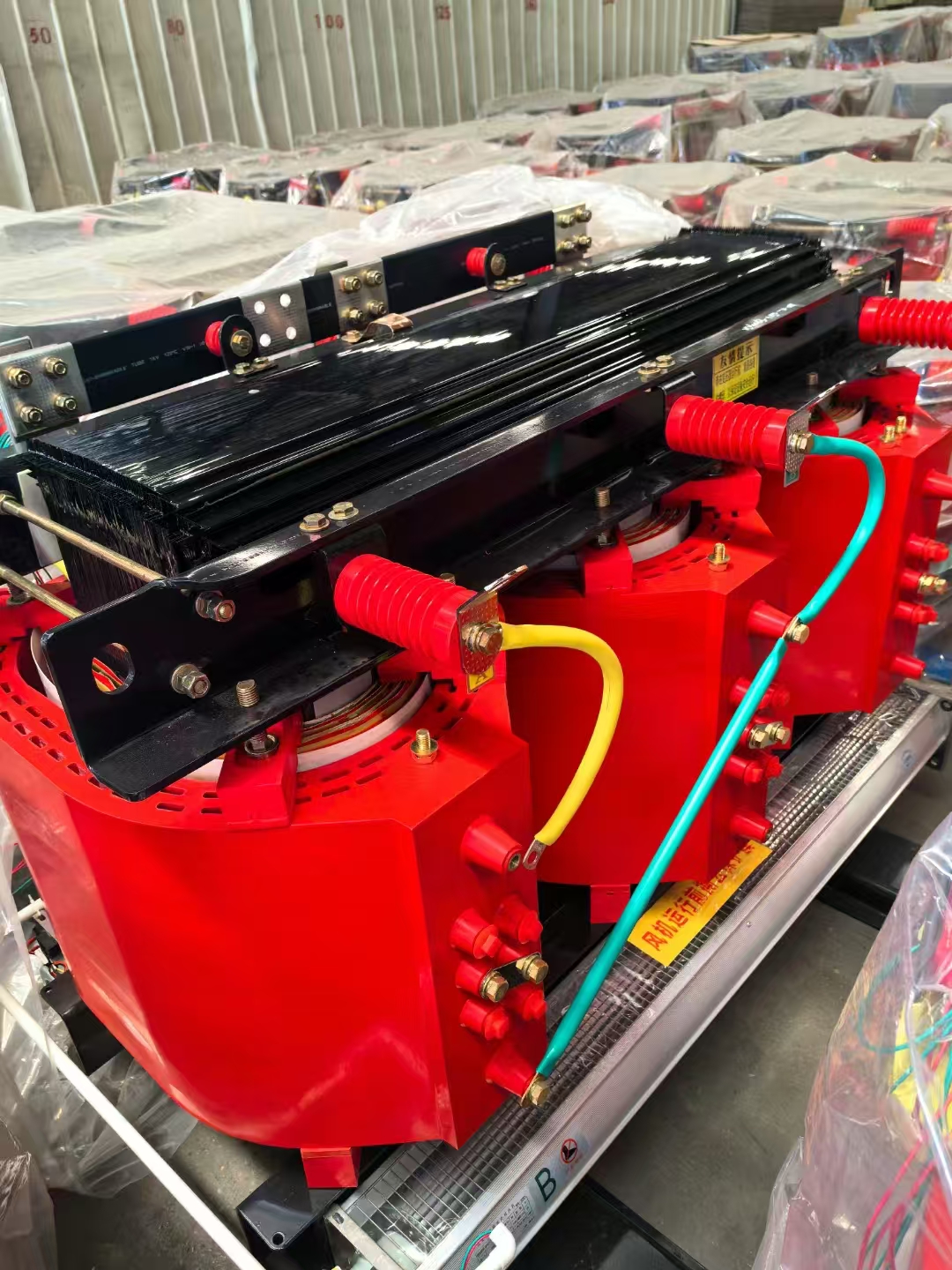
Industrial facilities face much higher power demands. A commercial three phase step down transformer handles massive electrical loads securely. Electricians hardwire these large systems directly into the structural wiring of a building. They manage the heavy startup surges generated by CNC machines, industrial conveyors, and commercial HVAC systems. These robust units operate continuously in demanding environments without overheating.
Table: Voltage Converter Application Matrix
Category | Primary Technology | Ideal Use Cases | Operation Time |
|---|---|---|---|
Compact Travel Converter | Solid-State Electronics | Hair dryers, travel irons (resistive) | Short-term (under 30 mins) |
Heavy-Duty Desktop | Magnetic Copper Coils | Computers, TVs, home appliances | Continuous (24/7 safe) |
Three Phase Industrial | Heavy Magnetic Coils | Manufacturing equipment, large motors | Continuous (Commercial duty) |
Total wattage remains the most critical metric for equipment safety. You must never match the converter wattage exactly to your device wattage. Check the rating plate located on the back or bottom of your appliance. If the plate only lists Amps and Volts, multiply them together to find the Watts (Amps × Volts = Watts).
Follow these established sizing rules to protect your investment:
Standard Electronics: Always choose a step down power transformer rated at least 20% to 50% higher than your device's maximum wattage.
Motorized Devices: Refrigerators, power tools, and compressors require massive power spikes to start spinning. Calculate a 2x to 3x margin above the rated wattage to handle this startup surge safely.
Heating Appliances: Devices producing heat draw maximum power continuously. Apply a strict 50% safety margin for laser printers, coffee makers, and space heaters.
Common Mistake: Buyers often sum up the continuous wattage of multiple devices but forget to account for concurrent startup surges. Always size the unit for the absolute peak load.
Many foreign power grids suffer from extreme instability. Voltage levels fluctuate constantly throughout the day. Unregulated grids require AVR technology. An AVR system stabilizes these fluctuating input voltages before stepping them down. It delivers a perfectly steady 110V output to your device. This protection proves absolutely vital for sensitive microprocessors, laboratory equipment, and high-end audio gear.
You must evaluate the physical environment where the unit will operate. Marine, RV, or outdoor construction settings demand specific protections. Look for proper IP (Ingress Protection) ratings. Waterproof or weatherproof enclosures prevent moisture from causing internal short circuits.
Additionally, evaluate continuous versus peak load ratings carefully. Manufacturers frequently advertise the absolute peak rating in large print. They hide the much lower continuous rating in the manual. Always verify the continuous operational wattage before finalizing your purchase.
Every electrical device generates heat during operation. You must understand how long a unit can run at maximum capacity before overheating. This timeframe represents the duty cycle. Compact travel models possess very short duty cycles. They overheat rapidly if run beyond ten minutes. Heavy-duty units dissipate heat effectively through large internal heat sinks. Proper ventilation remains critical. Never place a running unit inside a closed cabinet or underneath a tight desk.
A step down device changes the voltage, but it never changes the frequency. The United States operates on a 60Hz grid. Many European and Asian countries operate on a 50Hz grid. Plugging a 60Hz American motor into a 50Hz foreign grid creates significant friction. Even with the correct voltage, the motor spins about 17% slower. It draws more current and generates excessive heat. Always verify whether your appliance accepts 50/60Hz dual frequency. If it clearly states 60Hz only, running it in a 50Hz country will shorten its lifespan drastically.
You must audit devices for genuine safety markings. Look for legitimate CE, UL, or CSA certifications printed directly on the chassis. These marks guarantee the product passed rigorous electrical stress tests.
Best Practice: Prioritize models featuring built-in circuit breakers rather than old-fashioned replaceable fuses. If an overload occurs, a breaker simply trips. You push a button to reset it. Fuses require you to carry physical replacements, which often prove impossible to find abroad.
Electrical safety relies heavily on proper grounding. Ensure the unit maintains a true earth ground path. The input plug must feature three prongs. The output socket must also accept three prongs. A solid ground path safely diverts stray voltage away from the chassis. This structural feature prevents lethal electric shocks if an internal wire comes loose.
Sensitive electronics require absolutely clean power. Voltage drops or surges easily corrupt hard drives or damage delicate sensors.
Recommendation: Choose a heavy-duty magnetic unit featuring AVR technology.
Sizing: Maintain a minimum 50% wattage margin.
Features: Insist on true grounding and circuit breaker protection.
Travelers carrying hair dryers or basic flat irons need portability. These devices draw immense power but do not contain delicate microchips.
Recommendation: Select a solid-state compact travel unit.
Limitation: Strictly restrict usage to resistive loads for under twenty minutes at a time.
Warning: Never connect digital devices to this specific type of unit.
Commercial facilities relocating foreign machinery face massive industrial power requirements. Standard wall outlets cannot handle these massive electrical draws.
Recommendation: Install a hardwired, commercial-grade step down voltage converter.
Execution: Hire certified electricians for proper structural integration.
Safety: Ensure dedicated circuit protection at the main electrical panel.
Under-sizing a conversion device to save a few dollars guarantees equipment damage. The initial savings quickly vanish when you must replace a burned-out laptop or a melted appliance. Voltage conversion requires precision, adequate wattage margins, and strict adherence to safety standards.
Your next steps involve auditing your equipment carefully. Read the power plates on every device you intend to use. Calculate the total concurrent wattage you expect to draw. Apply the appropriate 20% to 50% safety margin based on the load type. Finally, filter your shortlisted models by continuous power ratings and verifiable safety certifications. Taking these steps ensures your electronics operate safely and reliably anywhere in the world.
A: Yes, provided you purchase a heavy-duty magnetic transformer rated for continuous use. Compact travel models will overheat and fail if left running continuously. Always ensure the continuous load remains well below the unit's maximum wattage rating.
A: The device suffers an immediate catastrophic failure. The 220V current overloads the internal circuitry instantly. Components will melt, internal fuses will blow, and you run a severe risk of causing an electrical fire.
A: Yes. Magnetic models experience "vampire draw" due to hysteresis and eddy currents in the iron core. Even without an active load, they consume a small amount of electricity and generate slight heat. Always unplug them when not in use.
A: Dedicated step-down units cannot step up voltage. However, many heavy-duty desktop models feature dual-action functionality. They include a manual switch on the back allowing them to perform both step-up and step-down operations as needed.

