


Views: 0 Author: Site Editor Publish Time: 2026-09-15 Origin: Site


Purchasing the wrong electrical equipment carries severe consequences. You risk frying sensitive devices, creating dangerous electrical hazards, or wasting valuable capital. Every facility manager and electrical engineer faces this technical challenge eventually. You must bridge the gap between technical power requirements and actual market pricing. This applies whether you power sensitive imported electronics or commission heavy industrial machinery.
Mismatched voltages lead directly to immediate equipment failure. Under-specced units cause catastrophic overheating and potential fires. Navigating the varied transformer market often feels overwhelming due to confusing manufacturer claims. Selecting the proper device requires understanding both your facility’s unique demands and the electrical principles dictating safe power distribution. We will provide an objective, engineering-aligned checklist. You will learn how to evaluate prices, scrutinize specifications, and verify vendor reliability before making a purchase. This guide explores load requirements, safety standards, and core construction details. You will confidently navigate procurement to protect your essential hardware.
Never buy based on matching wattage alone; account for a 2x to 3x safety margin for continuous loads and motor-driven startup surges.
Price directly correlates with internal build quality (copper vs. aluminum windings) and core type (toroidal vs. traditional EI).
Industrial-scale applications (100 kVA+) require distinct evaluations for phase compatibility, cooling infrastructure, and compliance certifications.
The lowest upfront price often masks long-term costs in poor efficiency, excess heat, and hazardous audible noise (hum/buzz).
Categorize your electrical load carefully before reviewing market prices. Selecting a reliable step down voltage converter requires precise load identification. Identifying these electrical behaviors prevents costly catastrophic failures in the field.
Electrical loads fall into two distinct operational categories. Resistive loads include industrial heaters and incandescent lighting banks. They draw a steady, predictable current during operation. Reactive loads encompass air compressors, heavy power tools, and audio synthesizers. They utilize internal electric motors. These motor-driven devices demand massive inrush currents. A standard compressor might require three times its running wattage during the initial startup phase. You must size your conversion equipment to handle these brief surges. Failing to accommodate reactive surges trips breakers instantly. It also stresses internal transformer windings unnecessarily.
Confirm your existing electrical infrastructure first. Consumer electronics and light commercial gear typically run on single-phase power. Heavy manufacturing facilities require robust three-phase distribution networks. You cannot mix these systems without deploying specialized phase converters. Verify your main breaker panel capacity before ordering new hardware. Industrial sites often route three-phase power directly to the factory floor. They use three-phase transformers to power heavy milling machines efficiently. Single-phase units serve office environments and smaller lab spaces perfectly.
Evaluate how long your equipment runs daily. Some converters operate continuously around the clock. These 24/7 units require strict thermal management engineering. They need heavy duty cycles to survive constant heat generation. Intermittent units handle occasional, brief spot-tasks. You might use them for a specialized drill press. They can utilize lighter, less expensive internal components. Overworking an intermittent-duty unit causes rapid insulation degradation. It eventually leads to internal short circuits. Always match the duty cycle strictly to your actual production schedule.
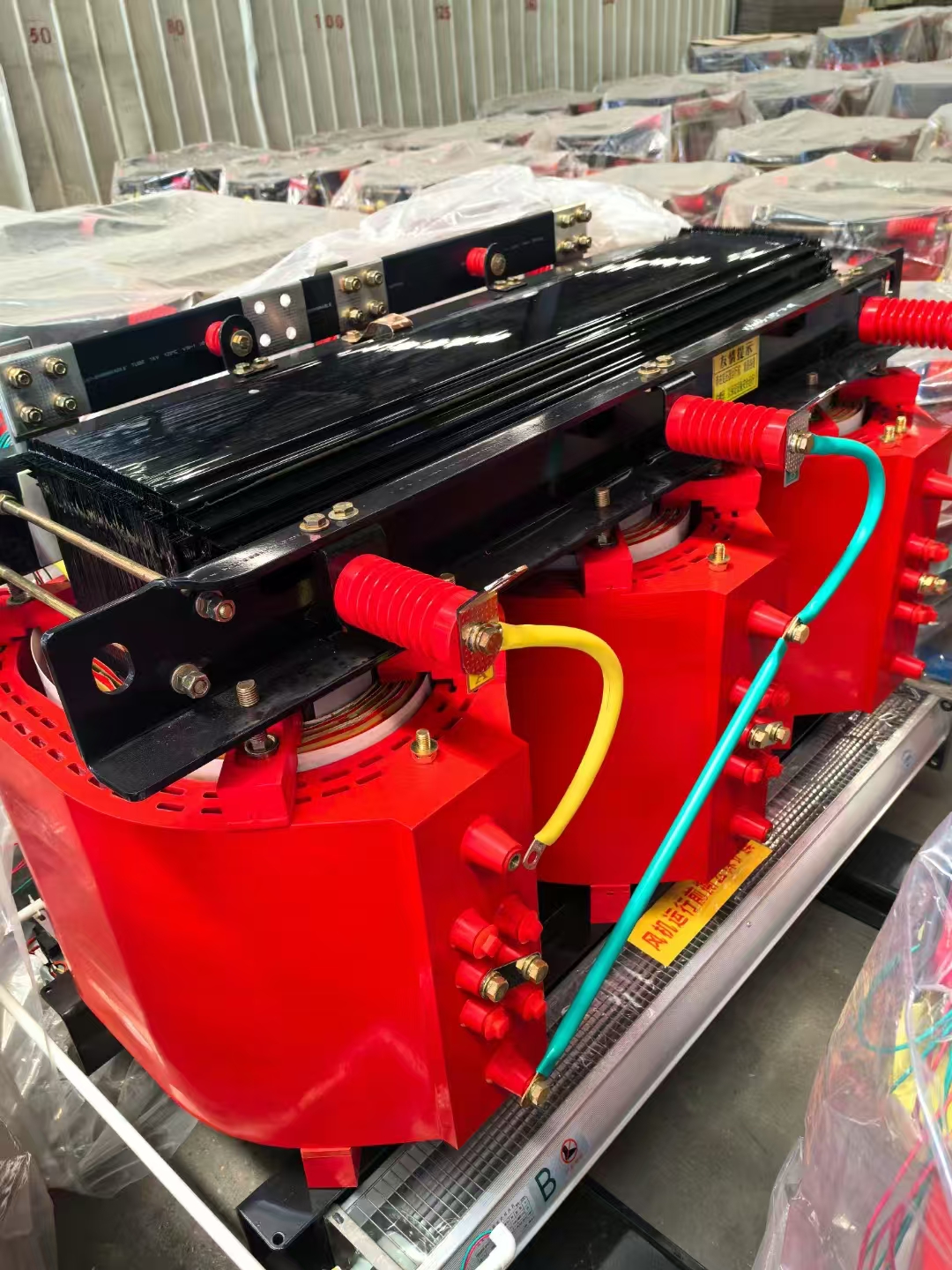
Sizing your transformer correctly represents the most critical purchase decision. Proper sizing prevents equipment damage. It also ensures stable voltage regulation under heavy, shifting loads.
Calculate your total required wattage first. Multiply the required amps by the required volts. Apply a strict safety multiplier to this base number. Multiply the total by 1.5 for basic electronic devices. Multiply by 2.5 or 3 for motor-driven appliances. This built-in buffer prevents severe voltage drops during startup phases. Skipping this crucial step often destroys connected sensitive equipment. Undersized transformers experience severe voltage sags. These sags cause digital electronics to reset unpredictably. Always leave ample headroom for future expansion.
Scaling up power changes the engineering requirements drastically. We outline the transition from standard desktop converters to hardwired facility units below.
Facility-Level Routing: Mid-sized commercial server rooms need highly robust power delivery. Workshop floors also draw heavy, continuous current. You should utilize a 100 kVA step down transformer in these scenarios. It balances the electrical load efficiently across multiple sub-panels. It provides enough capacity for dozens of demanding workstations simultaneously without overheating.
Heavy Manufacturing: Integrated production lines require vastly more capacity. Large commercial HVAC systems also demand massive startup power. Deploying a 500 kVA step down transformer handles these aggressive loads safely. It prevents factory-wide voltage sags when heavy motors engage. This sizing keeps sensitive robotic controllers online during heavy machinery usage.
Grid-to-Site Applications: Industrial plant substations manage immense energy transfers. Massive continuous power demands require utility-scale solutions. Evaluating a 1000 kVA step down transformer ensures safe grid connections. These massive units step down high transmission voltages to usable factory voltages. They form the critical backbone of modern industrial power distribution.
Equipment Sizing and Multiplier Reference
Load Type | Examples | Recommended Multiplier |
|---|---|---|
Resistive | Heaters, Lights, Ovens | 1.2x to 1.5x |
Electronic | Computers, Servers, TVs | 1.5x to 2.0x |
Reactive | Compressors, Pumps, Saws | 2.5x to 3.0x |
Understanding equipment pricing requires looking inside the metal chassis. Internal components dictate both raw performance and retail price. Manufacturers adjust these components to target specific budget tiers.
Transformers use either Toroidal or traditional EI cores. Toroidal cores feature a distinct donut shape. Manufacturers spend more money winding these circular cores. However, they deliver vastly higher energy efficiency. They weigh significantly less than older designs. More importantly, they produce zero electromagnetic interference. They emit absolutely no audible hum. This silent operation is critical for medical labs and recording studios. Traditional EI cores use stacked, square steel plates. They cost less to mass-produce. Unfortunately, they often vibrate under heavy load. This mechanical vibration causes annoying, distracting buzzing noises.
Manufacturers wrap the magnetic cores in conductive wire. They typically use pure copper or cheaper aluminum. Pure copper windings command a significant premium price. Copper offers vastly superior electrical conductivity. It generates far less internal heat under heavy load. Copper also ensures a much longer operational lifespan. Aluminum windings cost significantly less upfront. However, aluminum expands and contracts rapidly during temperature shifts. This aggressive thermal movement degrades internal connections over time. Aluminum units also require larger physical cores to achieve similar power ratings.
Budget models rely on cheap, replaceable glass fuses. Premium models feature integrated magnetic circuit breakers. Circuit breakers trip safely during unexpected overloads. You can reset them instantly without hunting for spare parts. Premium units also include advanced thermal protection sensors. They monitor internal core temperatures constantly. If temperatures spike safely, they shut down the unit automatically. High-end models also integrate voltage stabilization mechanisms. They smooth out minor power fluctuations independently. This protects your sensitive gear from utility grid instability.
Ignoring established safety standards invites immediate disaster. Electrical fires destroy commercial facilities rapidly. You must verify compliance before authorizing any purchase.
Ensure the unit holds verifiable safety certifications. Look for UL (Underwriters Laboratories), CE, or CSA certification marks. Uncertified converters pose severe fire and shock risks. Budget-priced units often skip these expensive testing phases entirely. Always request official certification documents from the vendor. Insurance companies often deny claims involving uncertified electrical equipment. Verifying these marks protects both your facility and your employees.
Determine your specific application safety needs. Standard autotransformers work well for basic voltage conversion. They share a common ground between input and output. However, some applications require a true isolation transformer. These specialized units physically separate the primary and secondary circuits. This physical separation enhances operator safety significantly. It also eliminates unwanted electrical ground loops. Sensitive laboratory equipment requires this strict isolation to function accurately.
Assess your intended installation environment carefully. High capacity industrial units generate substantial thermal output. They require adequate, mathematically calculated airflow ventilation. They also need specific NEMA enclosure ratings. These standardized ratings protect the internal components against dust and moisture. A NEMA 3R enclosure allows safe outdoor installation. A NEMA 4 enclosure provides robust watertight protection. Large transformers demand load-bearing concrete installation pads. You cannot place heavy equipment directly on standard commercial flooring.
Measure the ambient room temperature during peak summer hours to ensure cooling adequacy.
Leave at least three feet of clearance around ventilated enclosures for proper airflow.
Install moisture barriers if placing equipment near factory bay doors or outdoor vents.
Hire a structural engineer to verify floor load limits before placing heavy units.
Follow this structured checklist to finalize your procurement safely. We outline the crucial evaluation steps below. Use these steps to filter out substandard equipment vendors effortlessly.
Audit the Nameplate: Match your equipment voltage and amperage specifications carefully. Compare them against the converter’s continuous power rating. Do not use the peak surge rating for this critical match. Ensure the AC frequencies align perfectly between devices.
Request Component Transparency: Ask the vendor to specify all internal materials. They must list the specific winding material in their official quote. They should also confirm the exact core design. Demand this information in writing before issuing a purchase order.
Evaluate the Warranty & Support: Shortlist vendors offering comprehensive, multi-year warranties. Prioritize companies deploying domestic technical support teams. Discard any vendors hiding behind vague or restrictive replacement policies. Reliable manufacturers stand behind their heavy-duty equipment confidently.
Avoid rushing the final decision process. Comparing technical specifications line-by-line prevents expensive operational mistakes. Document all vendor promises regarding efficiency and thermal performance meticulously.
Selecting proper electrical conversion equipment is an exercise in strict risk mitigation. Undersizing your capacity saves a little money today but destroys valuable equipment tomorrow. Proper sizing guarantees safe, continuous operation across your entire facility. It prevents unexpected downtime and dangerous electrical failures. You must use the provided capacity multipliers diligently. They help establish your absolute minimum wattage and kVA needs.
Finalize your required safety certifications early in the planning process. Ensure you select the appropriate NEMA enclosures for your working environment. Request detailed technical spec-sheets from at least three distinct manufacturers. Compare their core materials, winding choices, and warranty terms side-by-side. This methodical approach ensures you secure reliable, high-performance power conversion.
A: Peak wattage represents a temporary surge capacity. The unit can sustain it for only a few seconds during device startup. Continuous wattage is the actual power the unit handles 24/7. It operates continuously at this level without overheating. Always size your equipment based strictly on continuous ratings to ensure absolute safety.
A: Cheap EI core transformers experience mechanical vibration between their internal steel plates. This rapid vibration causes the annoying buzzing noise. Toroidal transformers use a continuous circular ring design. This eliminates physical hum and electrical ground loops. Audio professionals and medical labs gladly pay a premium for toroidal models to ensure silent operation.
A: Plug-and-play converters work perfectly for small desktop electronics. However, the safety threshold typically sits around 5000W (5kVA). Beyond this point, plug-and-play connections become unsafe and unfeasible. Electrical codes mandate hardwired, panel-integrated transformers for heavy commercial loads. High-capacity applications require professional electrician installation to maintain strict code compliance.

