


Views: 0 Author: Site Editor Publish Time: 2026-09-11 Origin: Site


Selecting the wrong voltage converter isn't just an inconvenience. It risks catastrophic equipment failure and dangerous electrical fires. You also risk instantly voiding expensive manufacturer warranties the second you flip the switch. You might import heavy-duty machinery for a new manufacturing facility. Or you might simply run sensitive consumer electronics on a foreign power grid. In either scenario, precise wattage calculation remains the only way to ensure stable operation. Safe power conversion demands strict accuracy and respect for electrical physics.
This guide breaks down the exact formulas required for your success. We will explore mandatory safety margins and complex technical nuances like inrush current. You will learn how to evaluate and select the exact step down voltage converter for your specific load profile. Taking time to calculate these metrics guarantees equipment longevity and workplace safety.
Never buy a converter rated exactly for your device’s running wattage; a minimum 25-50% safety margin is mandatory for basic electronics.
Motor-driven appliances (inductive loads) require converters rated at 2x to 3x the device's stated wattage to handle startup current spikes.
Converter capacity should always be evaluated on "Continuous Power" ratings, not inflated "Peak Power" marketing claims.
Industrial applications require specialized calculations accounting for power factor and phase requirements (e.g., three phase systems).
Pushing electrical equipment beyond its designed limits invites disaster. A step down converter continuously operating above its rated capacity experiences severe thermal overload. Internal coil temperatures rise rapidly. This excessive heat melts wire insulation and exposes bare copper. Exposed wiring leads directly to short circuits, blown fuses, and potential electrical fires. Small thermal events escalate quickly in industrial settings.
Performance degradation happens long before catastrophic failure occurs. Under-sized converters struggle to maintain stable output voltage. This instability causes severe voltage sag. Sensitive electronics despise voltage fluctuations. Computers and medical devices face data corruption or sudden shutdowns. Motor-driven equipment suffers even more. Motors receiving low voltage pull higher amps to compensate. This secondary current spike causes motor overheating and eventual failure to start.
Using improperly sized equipment introduces massive compliance risks. Manufacturers engineer devices for specific electrical parameters. Providing unstable power instantly voids most warranties. You cannot claim factory defects if you supply bad power. Furthermore, workplace safety organizations like OSHA monitor electrical compliance closely. Operating uncertified or overloaded converters violates basic electrical safety standards. Inspectors will fine facilities ignoring UL (Underwriters Laboratories) guidelines. Proper sizing eliminates these legal and financial liabilities entirely.
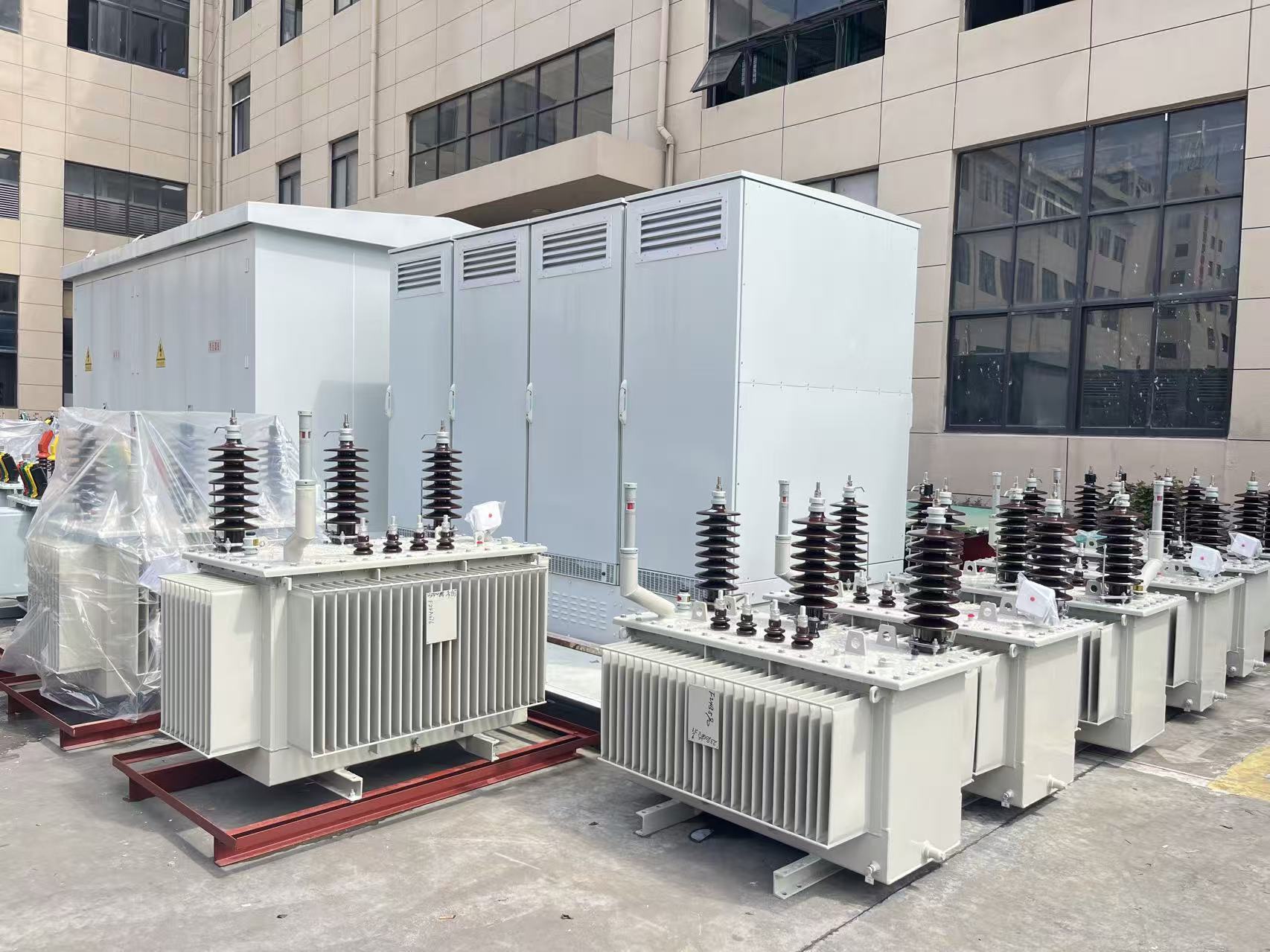
Guessing electrical requirements guarantees failure. You must follow a strict mathematical framework to determine your exact power needs. This process prevents under-sizing and ensures safe daily operation.
You must find the data plate on your device first. Manufacturers usually attach this metal or foil sticker near the power cord. It lists crucial operating parameters. Some plates list Watts directly. Others only list Volts and Amps. If you only see Amps, use this simple formula:
Watts = Volts × Amps
A machine pulling 10 Amps at 120 Volts requires 1200 Watts. Some industrial equipment lists VA (Volt-Amps) instead of Watts. VA represents apparent power rather than real power. You must multiply the VA rating by the device's Power Factor to find true Watts. Most consumer electronics use a Power Factor of 0.8. Therefore, a 1000 VA device needs roughly 800 Watts.
Electrical loads behave differently upon startup. You must categorize your equipment into one of two distinct groups:
Resistive Loads: These devices generate heat or light. Examples include laptops, incandescent lamps, and basic space heaters. They feature incredibly consistent power draws. They do not spike when turned on.
Inductive Loads: These devices utilize electric motors, compressors, or transformers. Examples include power tools, refrigerators, and HVAC systems. They require massive energy bursts to overcome resting inertia. This temporary power spike is called "inrush current."
Never match converter capacity exactly to device wattage. Converters need breathing room to operate coolly and efficiently. Apply these strict rules based on your identified load type:
The 1.5x Rule: Apply this to resistive loads and solid-state electronics. Multiply the device wattage by 1.5. A 1000W space heater requires a 1500W converter. This 50% margin ensures the transformer never runs at maximum thermal capacity.
The 3x Rule: Apply this to inductive loads. Compressors and motors demand immense startup power. Multiply the stated running wattage by 3. A 1000W air compressor needs a 3000W converter. This guarantees the converter survives the initial inrush current without tripping internal breakers.
Residential calculations focus entirely on single-phase electricity. Industrial facilities operate differently. Commercial machinery requires multi-phase power distribution. Moving from single to three-phase power changes the underlying mathematics entirely.
Sizing a three phase step down transformer demands precision. You cannot simply use the basic Amps-to-Watts formula. The three alternating currents overlap. This requires a specific multiplier. Use this expanded formula:
Watts = Volts × Amps × 1.732 × Power Factor
The 1.732 multiplier represents the square root of three. You must also balance the electrical load perfectly across all three phases. Uneven distribution causes rapid localized overheating. One phase working harder than the others leads to premature equipment death.
High-voltage distribution involves distinct infrastructure levels. You might evaluate a 10kV to 0.4kV transformer for standard commercial facilities. This handles medium-voltage step-downs perfectly. It translates utility power into usable factory voltage. Heavy industrial deployments demand more robust infrastructure. They often require a 35kV step down distribution transformer to interface directly with main grid lines.
Risk Note: Never attempt utility-scale step-down projects alone. High-voltage installations require licensed electrical engineers. Professionals understand local grid compliance, arc flash dangers, and proper grounding techniques. Mistakes at this voltage level prove fatal.
Knowing your required wattage is only half the battle. You must separate high-quality hardware from deceptive consumer products. Marketing materials often mislead buyers regarding actual capability.
Many brands advertise inflated "Peak Power" numbers. They might label a unit as 2000W. However, it might only sustain 2000W for three seconds. Its true continuous rating might sit around 1000W. Always ignore surge capacity claims. Only shortlist brands publishing transparent, 24/7 continuous operating wattage limits. Reliable units handle their stated continuous power indefinitely.
Internal materials dictate performance and longevity. Cheaper units utilize aluminum coils. Aluminum saves manufacturing money but suffers from poor thermal conductivity. Premium units feature pure copper coils. Copper transfers heat efficiently. It allows the unit to run cooler and last significantly longer. The higher upfront price justifies itself through superior reliability.
Core design also matters immensely. Traditional EI core transformers are bulky and heavy. They generate considerable electromagnetic interference. Toroidal (donut-shaped) transformers offer a better alternative. They weigh less, run more efficiently, and produce minimal electronic noise. Audio engineers and medical technicians prefer toroidal designs specifically to avoid signal interference.
Transformer Material and Design Comparison
Component Type | Primary Advantages | Primary Disadvantages | Best Use Case |
|---|---|---|---|
Aluminum Coils | Lighter weight, lower initial purchase price | Poor heat dissipation, shorter lifespan | Light-duty, intermittent consumer use |
Pure Copper Coils | Excellent thermal conductivity, high durability | Heavier, more expensive to manufacture | Continuous industrial and commercial loads |
EI Core Design | Standardized manufacturing, cost-effective | High electromagnetic interference, bulky | General home appliances, non-sensitive tools |
Toroidal Core | Compact, highly efficient, low interference | Complex winding process, higher cost | Medical equipment, high-end audio, servers |
Expect occasional power anomalies. Your chosen converter must protect itself and your connected appliances. Evaluate units based on their built-in failsafes. Look for auto-shutoff thermal protection. This feature disconnects power automatically before internal components melt. Examine the over-current protection mechanism too. Avoid cheap models using glass fuses. Glass fuses blow permanently and require physical replacement. Modern units utilize resettable circuit breakers. Breakers offer immediate resets and far better long-term reliability.
Moving from theory to purchase requires methodical planning. Do not rush this final stage. A systematic approach prevents costly returns and operational delays.
First, audit your connected devices thoroughly. Create a spreadsheet listing every appliance you intend to run simultaneously. Note their stated wattage, load type, and required safety multiplier. Sum the total calculated wattage across all devices. This sum represents your absolute minimum continuous power requirement.
Next, factor in future expansion. Electrical needs rarely shrink over time. You will likely add more tools or appliances later. Add an additional 20% to your final calculated number. Buying slightly more capacity now prevents you from purchasing a second converter next year.
Finally, begin stringent vendor vetting. Never buy electrical infrastructure based solely on marketing descriptions. Request official data sheets for your specific model. Verify all UL, CE, or regional safety certifications independently. Read the warranty terms carefully. Ensure the manufacturer offers robust technical support and clear return policies for defective units.
Accurately calculating wattage depends entirely on finding your appliance's true electrical draw and distinguishing between inductive and resistive loads.
Rigorous application of the 1.5x and 3x safety margins prevents thermal overload and guarantees stable performance during startup surges.
Always prioritize continuous power ratings, copper coil construction, and resettable circuit breakers when evaluating hardware.
Round up your final wattage requirement by at least 20% to accommodate future electrical expansion safely.
Review authorized product catalogs categorized by continuous wattage to find your exact match. Consult an electrical engineer for any complex or industrial step-down sizing requirements.
A: Yes, you can. However, you must calculate the combined maximum wattage of all devices running simultaneously. You must apply the appropriate safety margins (1.5x or 3x) for each specific load type. Finally, ensure the total adjusted sum never exceeds the converter's continuous power rating.
A: An undersized converter will quickly trigger its internal circuit breaker or blow a fuse. If the unit lacks modern safety protections, it will overheat severely. This thermal overload can cause an electrical fire or deliver highly unstable voltage, permanently damaging your connected appliances.
A: Adapters only change the physical plug shape to fit foreign outlets. They never change electrical tension. If you plug a strictly 120V device into a 240V outlet using only an adapter, it will instantly fry. A dedicated step-down converter is absolutely mandatory to reduce the actual voltage.
A: Power tools utilize electric motors, making them inductive loads. To overcome resting physical inertia, motors draw massive amounts of power for a fraction of a second during startup. This is called inrush current. If your converter cannot handle this momentary spike, the tool simply will not start.

