


Views: 0 Author: Site Editor Publish Time: 2026-08-22 Origin: Site


The upfront capital expenditure for a dry power transformer often triggers sticker shock when compared directly to traditional liquid-filled alternatives. Procurement and engineering teams struggle to budget accurately because baseline manufacturer quotes omit critical variables like enclosure ratings, core material volatility, specialized performance configurations, and long-term energy losses. Relying on basic kVA estimates leads to inaccurate capital planning. When you specify equipment for a new commercial facility or industrial plant, getting the budget right from day one prevents project delays. We see contractors miss the mark by ignoring site-specific installation factors. You need to understand how voltage class, winding materials, and efficiency standards impact the final invoice. This guide breaks down the exact cost drivers of dry-type units, provides realistic evaluation frameworks based on voltage class, and outlines the operational calculations required to justify the investment to stakeholders.
Upfront premiums (typically 20–30% higher than oil-filled equivalents) are frequently offset by the elimination of fire suppression infrastructure, oil catch basins, and reduced routine maintenance.
Voltage class significantly dictates baseline pricing; upgrading from a standard distribution unit to a 35kV Dry Power Transformer requires substantially more cast resin insulation and clearance, driving up manufacturing costs.
Energy efficiency standards dictate core material costs. Opting for a "cheap" transformer often results in a long-term financial liability due to continuous no-load energy losses.
Accurate budgeting must include site-specific installation factors, such as forced-air cooling upgrades, specialized NEMA/IP enclosures, K-factor ratings, and heavy rigging requirements.
Establishing a realistic budget requires understanding the wide spectrum of manufacturing requirements. Small control units represent minor operational expenses. Standard commercial dry-types require moderate capital. Heavy industrial units represent major facility investments based heavily on capacity and primary voltage. The higher the voltage and capacity, the more complex the engineering and material requirements become. We evaluate these systems based on their insulation demands, physical footprint, and the raw commodities required to build the core and coils.
Standard medium-voltage distribution systems frequently utilize a 10kV Dry Power Transformer. These units benefit heavily from standardized manufacturing processes and broad economies of scale. Because 10kV is a common distribution voltage for commercial buildings, hospitals, and light industrial parks, manufacturers produce these units in high volumes. This high production volume makes the 10kV tier highly cost-competitive within the medium-voltage category. The insulation requirements at this voltage are straightforward. They require less epoxy resin and smaller electrical clearances compared to higher voltage classes. You get a reliable unit without the heavy engineering premiums associated with custom high-voltage designs. Furthermore, these units are generally compact enough to navigate through standard commercial freight elevators, reducing the specialized rigging expenses during the initial installation phase.
Stepping up to a 20kV system introduces a noticeable cost increase. Facilities typically specify a 20kV Dry Power Transformer for specific industrial grids, large-scale mining operations, or to match regional utility standards. At this voltage tier, manufacturers must implement enhanced dielectric testing to ensure safety and reliability. The physical construction changes significantly. Windings require thicker insulation layers to prevent arcing. The core and coil assembly demands larger physical clearances. This increases the overall footprint and the amount of steel and conductive material required. These stringent engineering demands directly elevate the baseline manufacturing expense. When planning for a 20kV unit, facility engineers must also account for larger electrical room dimensions to maintain the required safe working clearances mandated by electrical codes.
High-voltage dry types command premium capital allocation. A 35kV Dry Power Transformer operates under immense electrical stress. To prevent partial discharge—a phenomenon that rapidly degrades insulation and leads to catastrophic failure—manufacturers must utilize advanced Cast Resin Transformer (CRT) technology. The manufacturing process involves pouring epoxy resin over the windings inside a vacuum chamber to eliminate all microscopic air voids. This highly specialized, energy-intensive manufacturing process, combined with the massive physical size required for 35kV clearances, significantly increases the baseline cost compared to lower voltage classes. You pay for advanced material science and uncompromising safety margins. The curing times for the resin and the extensive factory acceptance testing required for 35kV units also extend lead times, which can impact project construction schedules if not ordered well in advance.
Cost scales non-linearly with capacity. As you increase the kVA rating, the physical mass of the core steel and winding conductors increases. When benchmarking against traditional liquid-filled units, dry-type transformers carry a higher initial premium. At lower capacities, this premium remains manageable and is easily justified by indoor installation flexibility. However, a critical threshold exists. Typically, around 1,500 to 2,500 kVA, dry-type transformers become notably more capital-intensive per kVA than their liquid-filled counterparts. Pushing a dry-type design beyond this threshold requires massive amounts of copper or aluminum to manage heat dissipation without the benefit of cooling oil. Specifying high-capacity dry units requires strict spatial, environmental, or fire-safety justifications to validate the heavy capital investment. Rigging a 3,000 kVA dry-type unit into a building often requires structural floor reinforcements and specialized crane lifts, adding to the overall project budget.
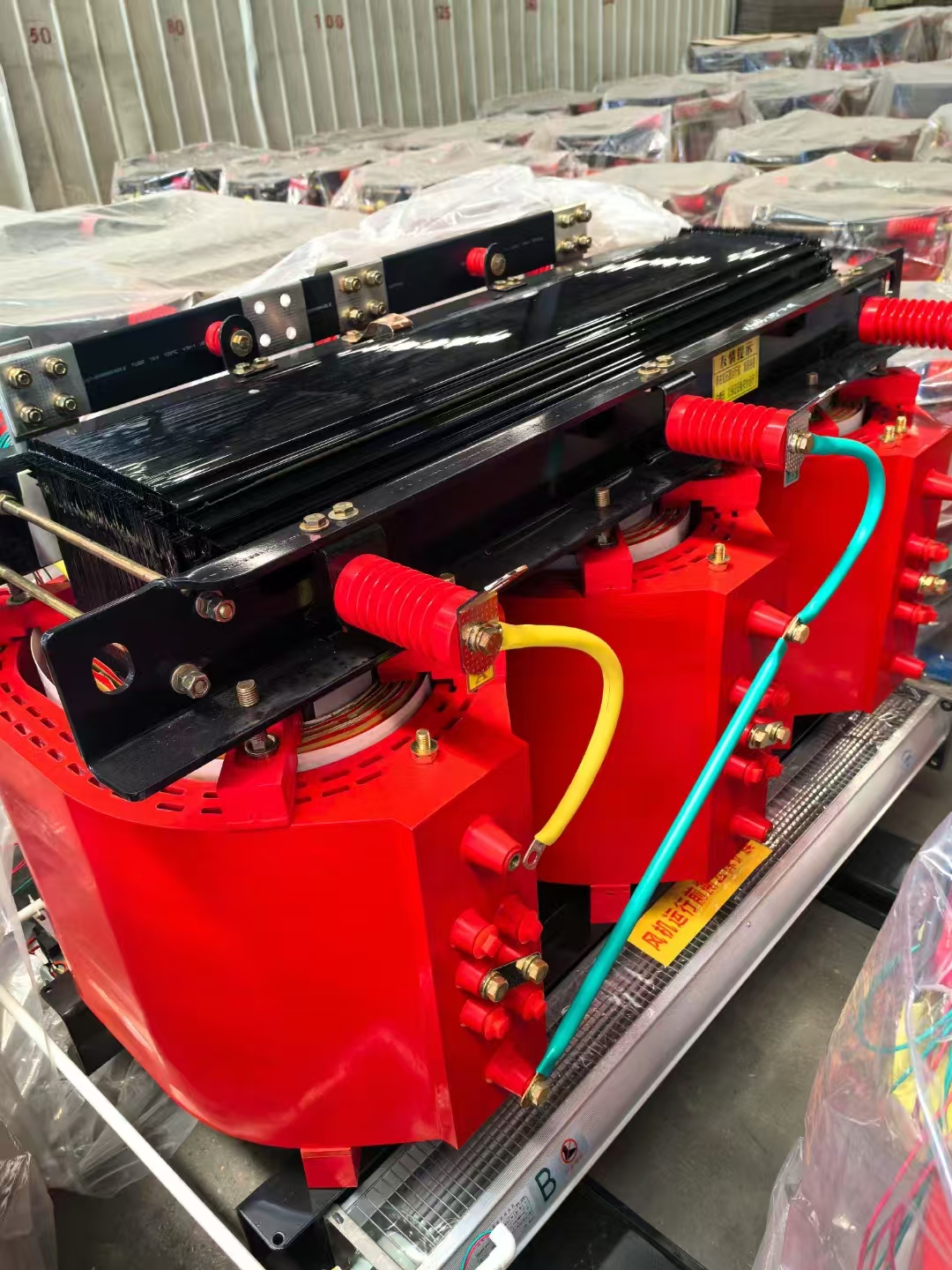
Procurement teams often face a frustrating scenario: receiving two quotes for a transformer with identical kVA and voltage ratings that vary significantly. This discrepancy is rarely due to arbitrary markups. Instead, it reflects fundamental differences in internal materials, insulation technologies, and environmental protections. We see this constantly when contractors compare a bare-bones unit against a fully specified industrial model.
The choice of conductor material represents one of the largest single variables in transformer manufacturing. Aluminum serves as the industry standard for most commercial applications due to its lower commodity cost and lighter weight. However, copper offers superior electrical conductivity. Choosing copper windings drives the initial capital requirement higher, but it provides distinct engineering advantages. Copper allows for a smaller overall transformer footprint, which proves essential in tight electrical rooms. It also yields lower I2R (resistive) losses, meaning the transformer operates more efficiently under heavy loads.
Furthermore, copper provides greater mechanical strength, offering better resistance to the extreme physical forces generated during short-circuit events. From an installation standpoint, copper terminations are generally more forgiving. Aluminum requires specific anti-oxidant compounds and specialized lug torquing procedures to prevent cold flow and subsequent loose connections. Facilities with space constraints, high continuous loads, or strict reliability requirements often find the copper premium justified over the lifespan of the equipment.
The method used to insulate and protect the electrical windings heavily influences the final quote. Vacuum Pressure Impregnated (VPI) transformers represent the standard, more economical option. The VPI process involves dipping the assembled coils in a polyester or epoxy varnish and baking them. This provides adequate protection for clean, dry, indoor environments. VPI units rely heavily on the surrounding ambient air quality to maintain their insulation integrity over time.
Cast Resin Transformers (CRT) represent the higher-cost, higher-reliability alternative. CRT units feature windings completely encased in solid epoxy resin. This solid encapsulation makes the transformer virtually impervious to moisture, chemical vapors, and heavy dust. If you install the unit in a harsh industrial plant, a humid coastal environment, or a facility with high airborne contamination, the premium for CRT technology is non-negotiable to prevent premature failure. The solid resin block also provides superior short-circuit withstand capabilities, as the windings are physically locked in place and cannot shift during high-fault current events.
Specific operational requirements dictate specialized engineering, which adds to the baseline cost. Standard transformers are designed for linear loads. However, modern facilities are filled with non-linear loads like variable frequency drives (VFDs), LED lighting, and computer servers. These devices generate harmonic currents that cause standard transformers to overheat. To handle this, you must specify a K-factor rated transformer. A K-factor unit features oversized primary wiring and specialized core designs to manage harmonic heat, increasing the material cost.
Other performance upgrades include seismic certifications. Transformers destined for earthquake-prone zones require heavier steel framing, reinforced mounting brackets, and specialized vibration isolators. Commercial buildings like hospitals or high-end offices often require specialized low-sound designs. Achieving lower decibel ratings requires lower magnetic flux densities in the core, which means using more core steel, directly increasing the unit's material requirements. You also have to factor in the cost of specialized anti-vibration mounting pads during installation to prevent structural resonance.
The housing surrounding the core and coils adds a variable expense based on the installation environment. A basic indoor NEMA 1 (or IP20) enclosure consists of simple vented sheet metal to prevent accidental contact. This is the most economical option. However, it relies entirely on natural convection. If you place a NEMA 1 unit in a poorly ventilated room, the ambient temperature will rise, forcing you to derate the transformer's capacity.
Moving the transformer outdoors or into harsh environments requires upgraded protection. NEMA 3R enclosures add weather resistance against rain and ice, requiring specialized drip shields and louver designs. NEMA 4X enclosures, necessary for corrosive environments or wash-down areas in food processing plants, require fully sealed stainless steel construction. Upgrading from a standard indoor ventilated box to a sealed stainless steel enclosure significantly alters the final procurement cost. Sealed enclosures also require oversized internal cores or integrated heat exchangers to manage internal temperatures without outside airflow.
Enclosure Type | Environment | Protection Level | Relative Cost Impact |
|---|---|---|---|
NEMA 1 / IP20 | Clean Indoor | Basic touch protection, falling dirt | Baseline |
NEMA 3R / IP24 | Outdoor | Rain, sleet, external ice formation | Moderate Premium |
NEMA 12 / IP54 | Industrial Indoor | Dust, dirt, non-corrosive dripping liquids | High Premium |
NEMA 4X / IP66 | Harsh / Washdown | Corrosion, heavy water jets, completely dust-tight | Highest Premium |
Evaluating a transformer investment requires looking at the long-term infrastructure and operational impacts. While the initial invoice for a dry-type unit is higher, the surrounding facility requirements often tell a different financial story. We evaluate the entire installation ecosystem rather than just the equipment itself to understand the true capital impact.
We must acknowledge the manufacturing reality. Building a dry-type unit is inherently more expensive than building an oil-immersed unit of the exact same rating. Liquid oil is an incredibly efficient cooling medium and an excellent dielectric insulator. Because dry-type transformers rely entirely on ambient air for cooling and solid materials for insulation, they require significantly more raw materials. Manufacturers must use larger physical conductors, heavier core steel, and advanced epoxy resins to achieve the same performance and temperature rise limits as a smaller oil-filled unit. This material density drives the upfront capital expenditure gap. The increased physical weight also translates to higher freight and shipping costs from the manufacturing plant to the job site.
The high upfront capital requirement of a dry-type unit is frequently offset by massive savings in facility construction. Oil-filled transformers introduce significant fire and environmental risks. Installing an oil-filled unit indoors typically requires constructing specialized fire-rated concrete vaults. You must install blast walls to protect surrounding equipment. Furthermore, environmental regulations mandate the construction of oil containment basins to catch catastrophic leaks, along with specialized hazardous material routing for drainage.
Dry-type transformers eliminate these requirements entirely. Because they contain no flammable liquids, they can be installed directly on the factory floor, inside standard electrical rooms, or even suspended on heavy-duty mezzanine platforms. The capital saved by eliminating concrete pouring, fire suppression systems, and containment pits often completely neutralizes the initial premium paid for the transformer itself. You also save on the architectural engineering fees required to design those specialized containment structures.
Ongoing maintenance budgets heavily favor dry-type technology. Liquid-filled transformers require a strict, ongoing maintenance regimen. Facility managers must schedule annual oil sampling and dissolved gas analysis (DGA) to monitor internal faults. They must routinely check fluid levels, top off oil, replace silica gel breathers, and remediate any gasket leaks. Over a 25-year lifespan, these specialized maintenance tasks consume significant operational budgets.
Dry-type units drastically reduce these ongoing expenses. Maintenance primarily consists of routine visual inspections, infrared thermography scanning to check for loose connections, and periodic vacuuming to remove accumulated dust from the ventilation ducts. During an infrared scan, technicians evaluate the bolted connections under load to identify hot spots caused by thermal cycling. You eliminate the need for specialized fluid handling contractors, making the long-term operational footprint much lighter and more predictable. Facility personnel can perform most of the basic visual inspections without requiring specialized hazardous material training.
Focusing solely on the purchase price ignores the operational variables that quietly drain facility budgets over decades. Transformers operate continuously. Their efficiency dictates a large portion of a facility's baseline power consumption. Ignoring energy efficiency during the specification phase guarantees inflated utility bills.
Transformer energy waste falls into two categories: core losses and coil losses. Core losses, also known as no-load losses, represent the heat generated by the magnetic steel core simply by being energized. This energy drain happens 24 hours a day, 365 days a year, regardless of whether the facility is drawing power. Coil losses, or load losses, represent the heat generated by electrical resistance in the windings when the facility is actively using power.
When evaluating quotes, you must calculate the value of this wasted energy over a 20-year lifespan. A cheaper transformer almost always utilizes lower-grade core steel, resulting in high no-load losses. Paying a premium for a high-efficiency unit with superior grain-oriented electrical steel reduces these continuous losses, generating utility savings that quickly surpass the initial purchase difference. You can request certified test reports from the manufacturer to verify the exact wattage lost under specific load conditions before finalizing the purchase order.
Many facilities continue to operate aging transformers simply because they haven't failed yet. However, transformers built decades ago lack modern efficiency standards. These older units act as hidden energy hogs, quietly converting massive amounts of expensive electricity into useless heat. The heat generated by these inefficient units also forces the facility's HVAC system to work harder, compounding the energy waste.
Addressing the cost dynamics of replacing an aging unit requires comparing the cost of continuous energy waste against the cost of a new installation. Investing in a modern, highly efficient replacement unit yields rapid payback. The reduction in continuous no-load losses directly lowers monthly utility demand charges. In many commercial applications, the energy savings alone justify the retrofit project well before the old transformer reaches the end of its mechanical life. Utility companies often provide custom rebates for upgrading to high-efficiency transformers, which further offsets the initial equipment cost.
Meeting strict government energy standards increases the upfront cost of procurement. Regulations such as DOE 2016 in the United States or the EcoDesign directive in Europe mandate strict minimum efficiency levels for new transformer installations. To meet these stringent requirements, manufacturers cannot use standard silicon steel. They must utilize higher-grade materials, such as advanced grain-oriented electrical steel (GOES) or amorphous metal cores.
Amorphous metal cores provide exceptional efficiency, drastically reducing no-load losses. However, amorphous metal is difficult to manufacture, brittle to handle, and requires specialized tooling to cut and assemble. This complexity adds a regulatory premium to the transformer. While you pay more upfront to achieve compliance, the resulting energy profile ensures long-term operational leanness. Building inspectors will verify compliance with these efficiency standards before issuing a certificate of occupancy, making this an unavoidable project requirement.
Capacity requirements often fluctuate. To provide operational headroom, engineers frequently specify forced-air cooling upgrades. Adding cooling fans to a dry-type unit can increase its nominal capacity by up to 33 percent. This allows a facility to handle temporary peak loads without upgrading to a physically larger transformer. It provides an excellent safety net for future facility expansion.
However, these upgrades introduce hidden costs. You must account for the cost of the fan assemblies, the sophisticated temperature control panels required to stage the fans based on winding heat, and the internal PT100 temperature sensors. Furthermore, the fans themselves consume auxiliary power when running. While forced-air cooling is a highly cost-effective way to gain capacity compared to buying a larger core, the auxiliary components and their control wiring must be factored into the initial procurement budget. You also need to schedule periodic testing of the fan controllers to ensure they activate correctly during a high-heat event.
To ensure accurate budgeting and optimal facility performance during your next procurement cycle, execute the following steps:
Conduct a comprehensive load profile analysis to determine your facility's exact continuous load, peak demand, and harmonic profile before requesting quotes.
Assess the physical installation location for airborne contaminants, moisture, and temperature extremes to justify the choice between standard VPI and premium Cast Resin technology.
Calculate the construction savings from eliminating fire vaults, blast walls, and oil containment systems when comparing dry-type quotes against liquid-filled alternatives.
Align your procurement specifications with regional energy regulations and request load and no-load loss data from manufacturers to project long-term utility expenses.
A: With proper installation and routine maintenance, a high-quality dry-type transformer typically lasts 20 to 30 years. Lifespan heavily depends on operating within designed temperature limits, maintaining clean ventilation pathways, and protecting the unit from severe electrical surges or harmonic overloading.
A: Yes, they operate outdoors if equipped with the correct environmental protection. You must specify a weather-resistant NEMA 3R enclosure to protect against rain and ice, or a NEMA 4X enclosure for highly corrosive or wash-down environments. Cast resin technology is highly recommended for outdoor applications to prevent moisture ingress.
A: Copper offers superior electrical conductivity, allowing for a more compact transformer design. It generates lower resistive losses under heavy loads and provides higher mechanical strength to withstand short-circuit forces. While aluminum is more economical, copper is preferred for space-constrained or high-demand industrial applications.
A: A K-factor rating indicates a transformer's ability to safely handle harmonic currents generated by non-linear loads, such as variable frequency drives, LED lighting, and computer servers. Higher K-factor units feature oversized wiring and specialized cores to manage the excess heat caused by these harmonics without failing.
A: Yes. While they eliminate the need for oil testing and fluid top-offs, they still require periodic maintenance. Facility teams must perform routine visual inspections, use infrared thermography to identify loose electrical connections, and vacuum the ventilation ducts and core to remove accumulated dust that restricts airflow.
A: Vacuum Pressure Impregnated (VPI) transformers use a varnish dip-and-bake process, offering economical protection suitable for clean, indoor environments. Cast Resin Transformers (CRT) encapsulate the electrical windings entirely in solid epoxy resin under a vacuum, providing superior protection against harsh moisture, chemical vapors, and heavy industrial dust.

