


Views: 0 Author: Site Editor Publish Time: 2026-05-25 Origin: Site


Traditional temperature logging often fails in modern commercial environments. Manual clipboard checks invite human error daily. They create dangerous blind spots between scheduled readings. You might easily miss a critical temperature excursion. This sudden fluctuation threatens valuable inventory immediately. Transitioning to automated monitoring systems actively solves this problem. These digital systems mitigate serious regulatory risks. They protect sensitive goods like pharmaceuticals, food, and cold-chain logistics. You also reclaim valuable labor hours previously wasted on manual data entry.
Our goal here is clear and actionable. We provide a technical framework for your facility. You will learn how to properly evaluate, select, and implement a Wireless Temperature Measuring Device. This guide ensures your hardware choice aligns perfectly with operational needs. You can meet baseline efficiency targets alongside strict compliance requirements.
Selecting the right connectivity protocol (Wi-Fi, Bluetooth, LoRaWAN, Cellular) dictates the system's reliability and scalability.
Hardware specs are only half the equation; secure data logging, alert threshold management, and API integrations drive the actual business value.
Partnering with the right wireless temperature measuring device manufacturer is critical for securing NIST-traceable calibration, firmware updates, and long-term hardware support.
Implementation success requires accounting for environmental hurdles like signal degradation in commercial freezers (Faraday cage effect) and localized network dead zones.
Doing nothing carries heavy financial risks. Spoilage destroys valuable inventory overnight. Compliance fines heavily impact your bottom line. Product recalls damage brand reputation permanently. A single ruined vaccine batch costs thousands of dollars. Compare these massive risks against upfront capital expenditures. A wireless system pays for itself quickly. Automated logs prevent catastrophic financial losses. They provide an incredible return on investment.
Continuous data logging simplifies complex regulatory audits. It directly satisfies strict compliance frameworks. Food safety protocols require accurate HACCP records. The FDA CFR 21 Part 11 regulates electronic pharmaceutical logs. VFC guidelines mandate precise vaccine storage protocols. Automated logs provide undeniable proof during inspections. Auditors trust secure digital logs over manual paper entries. You eliminate the constant risk of falsified records.
Manual temperature checks drain staff resources constantly. Workers spend hours recording data on clipboards. Automated systems eliminate this tedious manual task. You reclaim hundreds of labor hours annually. Staff can refocus on actual revenue-generating activities. They stop acting as manual data loggers. Productivity increases across your entire facility.
Real-time alerts save inventory from complete ruin. Threshold-based notifications trigger instantly during emergencies. You receive immediate SMS, email, or push alerts. These warnings arrive before a temperature excursion ruins goods. You can dispatch maintenance teams immediately. This proactive defense mechanism is invaluable. It stops small mechanical issues from becoming major disasters.
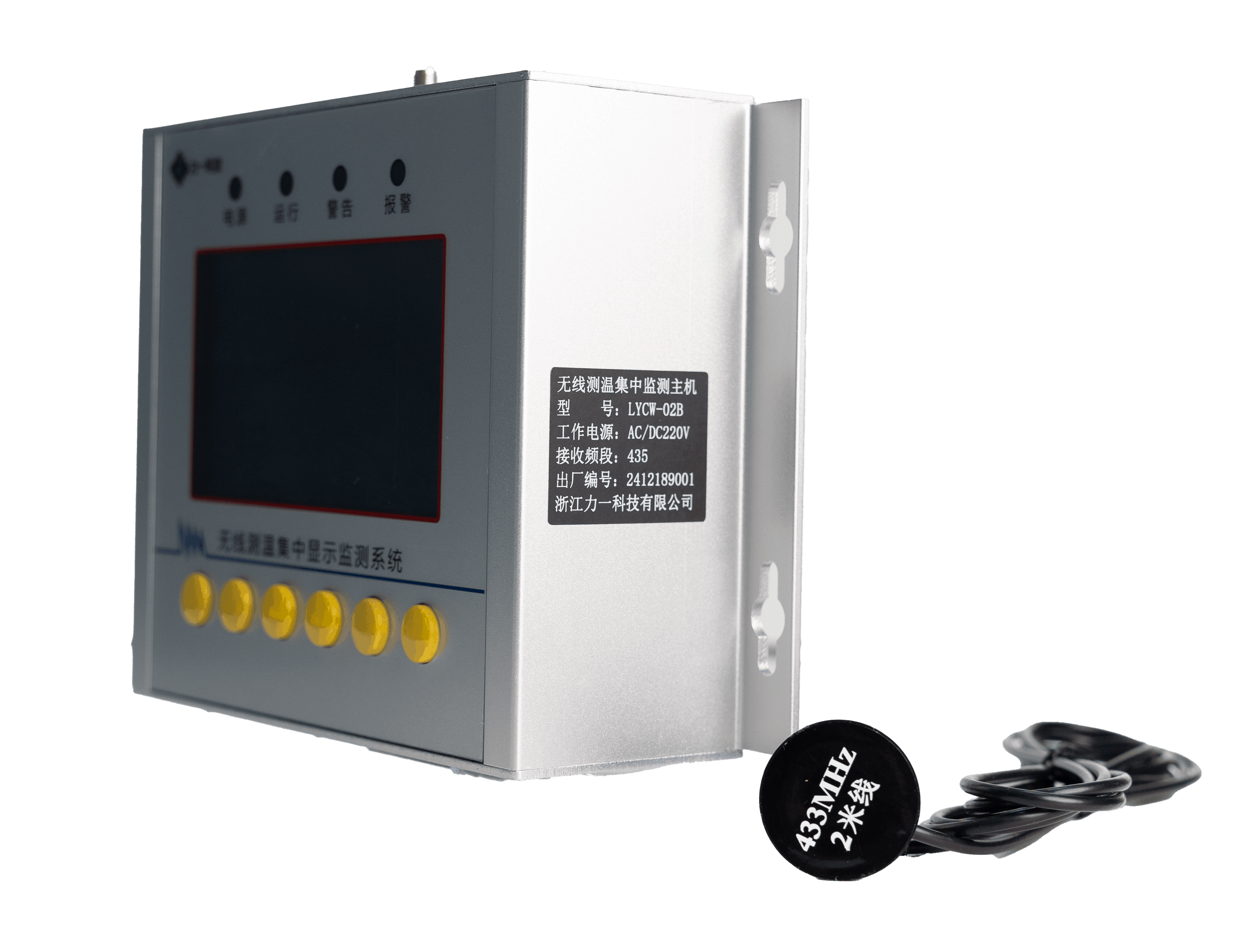
You must choose the correct network protocol carefully. This choice dictates how your devices communicate. We compare the four dominant network architectures below.
Best for: Facilities already maintaining robust IT infrastructure. Corporate offices and modern warehouses use them easily.
Drawbacks: They consume significantly more battery power. Batteries drain much faster than other protocols. Devices are susceptible to routine network dropouts. Strict corporate firewall restrictions often complicate deployment.
Best for: Short-range monitoring scenarios perform well here. It works perfectly in mobile cold-chain transport. Localized fleet tracking benefits heavily from BLE tech.
Drawbacks: You need nearby gateways for cloud relay. Mobile devices must remain close to the sensors. The physical transmission range remains extremely limited.
Best for: Large industrial facilities prefer this robust protocol. It excels in extreme deep-freeze environments. Wide university campuses rely on its strong signal penetration. It uses very low power constantly.
Drawbacks: It requires dedicated proprietary gateways. You must build a specific network architecture internally. It does not use existing standard routers.
Best for: In-transit monitoring across long geographical distances. Remote off-grid locations use them highly effectively. They function wherever cell towers exist.
Drawbacks: You face ongoing recurring monthly subscription costs. Each individual device requires a paid cellular data plan.
Protocol | Typical Range | Power Consumption | Best Application Environment |
|---|---|---|---|
Wi-Fi | Medium (Up to 50m indoors) | High | Standard IT-supported facilities |
BLE | Short (Up to 15m) | Low | Mobile transport and localized fleets |
LoRaWAN | Long (Up to 15km line-of-sight) | Very Low | Industrial plants and deep-freeze units |
Cellular | Global (Cell tower dependent) | Medium | In-transit logistics and remote sites |
Selecting the perfect hardware requires careful analysis. Software capabilities matter just as much for compliance.
Define your necessary thermal range early. Vaccines require ultra-low monitoring at negative eighty degrees Celsius. Standard ambient monitoring handles normal warehouse temperatures easily. You must define acceptable temperature variance clearly. Many critical applications demand strict precision. A variance of plus or minus half a degree is common. Medical-grade sensors handle these strict requirements well.
Networks occasionally experience unexpected downtime. Devices must feature reliable local onboard memory. This storage saves readings during sudden network outages. The device automatically syncs data later. It pushes stored logs once the connection returns. You never lose critical compliance data. This built-in redundancy is non-negotiable for strict medical storage.
Do not trust ideal marketing claims blindly. Evaluate expected lifespan under actual reporting intervals. Frequent data pings drain batteries very rapidly. Sending data every minute kills standard batteries fast. Extreme cold also reduces battery efficiency significantly. Freezers drain standard lithium batteries quickly. Look for industrial-grade power solutions instead.
Software must handle critical alerts intelligently. You need capabilities to set cascading alert protocols. Time-delayed triggers prevent severe staff alert fatigue. Standard door openings shouldn't trigger immediate alarms. A five-minute delay filters out normal operational usage. Role-based permissions remain vital for security. They ensure only authorized managers adjust critical thresholds.
Your hardware vendor acts as a long-term operational partner. You need a reliable Wireless Temperature Measuring Device manufacturer. Evaluate them using these four critical performance metrics.
The manufacturer must provide proper testing certification. Demand NIST-traceable calibration certificates right out of the box. ISO/IEC 17025 compliance is often strictly mandatory. This documentation guarantees sensor accuracy for strict auditors. It proves your hardware measures temperatures correctly from day one.
Your facility footprint will likely grow over time. The vendor must scale hardware deployment seamlessly. Ask them about their current production capacity. Ensure they can deliver replacement units quickly. Backordered sensors leave your critical inventory entirely unprotected during expansions.
Avoid vendors pushing locked proprietary software dashboards exclusively. Open APIs provide immense operational flexibility today. They allow direct data ingestion into existing systems. You can connect sensors to an ERP platform easily. Integration into a modern Building Management System becomes much simpler.
Hardware eventually requires routine maintenance or complete replacement. Review their standard warranty terms very carefully. Check the Return Merchandise Authorization process speed. Ensure they provide remote firmware updates frequently. These over-the-air updates patch dangerous security vulnerabilities quickly. They keep your network secure.
Installing sensors is just the beginning of the journey. You can deploy a Wireless Temperature Measuring Device across various demanding environments. However, you must navigate several physical and operational hurdles first.
Commercial refrigerators use thick stainless steel panels. Cold-room walls feature dense polyurethane insulation. These physical materials actively block wireless radio signals. Engineers call this the Faraday cage effect. Standard Wi-Fi struggles to escape these heavy steel enclosures. You must address this signal degradation proactively. Sub-GHz frequencies handle this specific problem much better.
Never deploy a full hardware system blindly. Deploy a small proof-of-concept first. Test it in your most challenging facility area. Place sensors inside the deepest commercial freezer. This strategy actively reveals hidden network dead zones. You fix architectural issues before approving full-scale deployment.
New technology requires careful human adaptation. You must train your staff thoroughly. They must learn to trust the new digital system. Workers need clear protocols for handling digital alerts. They must understand the difference between mild warnings and critical alarms. Staff must also maintain routine physical hardware checks.
Wireless monitoring systems are not entirely set-and-forget tools. Budget appropriately for regular recalibration schedules. Certain highly regulated industries require annual sensor verification. Plan for routine sensor battery replacements proactively. This prevents sudden offline devices during critical weekend hours. Always maintain a small stock of spare hardware.
A wireless monitoring system represents more than basic hardware. It serves as a critical compliance investment. It functions as essential risk-management infrastructure for your facility.
Base your final purchasing decision on three core factors. First, analyze the physical environment for protocol choice. Second, define your regulatory needs for proper audit trails. Third, evaluate the long-term viability of the manufacturer.
Actionable Next Steps:
Identify your most critical inventory monitoring zones immediately.
Initiate a pilot program using two or three shortlisted devices.
Test actual battery life against marketing claims.
Evaluate network connectivity in dense freezer environments.
Validate dashboard usability in real-world daily conditions.
A: You typically need to recalibrate sensors annually. However, this schedule depends heavily on specific regulatory demands. Stringent frameworks dictate strict maintenance schedules. The FDA and ISO standards require verifiable accuracy logs. Always check your exact industry requirements. This ensures you remain fully compliant and audit-ready at all times.
A: High-quality sensors feature local onboard data storage. They run on independent internal battery power. The device logs data internally during network drops. The connection eventually restores itself. The sensor then automatically pushes saved readings cloud-ward. You never lose critical compliance audit trails during local power outages.
A: Signal penetration depends entirely on the chosen wireless protocol. Standard Wi-Fi struggles heavily against stainless steel freezer walls. Heavy metal creates a strong Faraday cage effect. Sub-GHz protocols easily penetrate dense commercial freezers. LoRaWAN pushes signals through heavy insulation reliably. Always match the communication protocol to your physical infrastructure.
A: Battery lifespan varies based on several operational factors. Ping frequency drastically affects your daily power drain. Frequent data transmission reduces overall lifespan quickly. Extreme cold temperatures also degrade battery performance significantly. Expect anywhere from a few months to several years. It depends heavily on your specific deployment realities.

