


Views: 0 Author: Site Editor Publish Time: 2026-05-31 Origin: Site


Transitioning from manual logging to wireless networks introduces massive operational efficiencies. However, abandoning hardwired sensors carries hidden implementation risks. Facility teams often face unexpected signal attenuation. Data loss during power outages is another major threat. For compliance-heavy environments like pharmaceuticals, aerospace, or food processing, a failed reading represents more than a simple IT glitch. It constitutes a serious regulatory violation. It can also cause catastrophic product loss. Quality assurance directors, facility managers, and IT leads need an evidence-based roadmap. This guide provides actionable steps for deploying a Wireless Temperature Measuring Device system. You will learn how to evaluate hardware architectures. We will show you how to select appropriate sensor nodes. Finally, we explain how to vet vendor claims effectively. These practical strategies help you eliminate compliance blind spots. They also ensure you build a highly resilient monitoring network.
System reliability depends heavily on matching specific sensor elements (RTDs vs. Thermocouples) to the exact regulatory and physical demands of the environment.
Strategic gateway placement and the use of physical thermal buffers (e.g., buffer vials) are critical to eliminating false alarms and signal drop-offs.
True system resilience requires hardware-level data logging to prevent catastrophic data loss during Wi-Fi or cellular network outages.
Evaluating a Wireless Temperature Measuring Device manufacturer requires prioritizing NIST-traceable calibration support, security protocols (21 CFR Part 11), and hardware redundancy over basic software features.
Building a reliable monitoring network requires careful infrastructure planning. You must choose the right communication gateways. You also need to plan for inevitable physical obstacles. Facility environments frequently block or degrade wireless signals.
Choosing between cellular, Ethernet, and Wi-Fi gateways dictates system stability. You should carefully assess environmental interference before purchasing hardware.
Ethernet Gateways: Use hardwired Ethernet gateways in high-interference zones. Secure facilities often feature thick concrete walls. Steel enclosures block cellular signals entirely. Ethernet guarantees data transmission in these challenging spaces.
Cellular Gateways: Cellular units offer excellent independence from your corporate network. This separation pleases IT security teams. However, you must place these gateways near exterior walls or windows.
Wi-Fi Gateways: Wi-Fi leverages your existing IT infrastructure. It offers quick deployment. Unfortunately, corporate network changes or router reboots will temporarily disconnect your sensors.
You must also evaluate the true line-of-sight. Specification sheets often claim a 1,000-foot transmission range. Practical industrial ranges are typically closer to 300 feet. Heavy equipment, structural barriers, and dense racking heavily absorb radio frequencies. Always plan your gateway placement using conservative range estimates.
Vast facility footprints demand creative signal routing. Direct sensor-to-gateway communication often fails across massive warehouses. You should evaluate systems supporting mesh networking.
Mesh networks allow strategically placed sensor nodes to act as data routers. These nodes pass signals around physical obstacles. They relay data back to the central gateway. This architecture ensures high reliability. If one path fails, the network automatically finds another route. You must hardwire these repeater nodes to a power source. Battery-powered routing drains energy too quickly.
System uptime depends on reliable power. You should never rely solely on battery power for critical infrastructure nodes. Batteries fail unexpectedly. Cold environments accelerate battery chemistry degradation.
Adopt a primary hardwire configuration. Use internal batteries strictly as a backup source. This strategy extends your maintenance cycles. It guarantees uninterrupted data collection during facility power losses. Hardwiring critical nodes also provides the power needed for frequent data transmission.
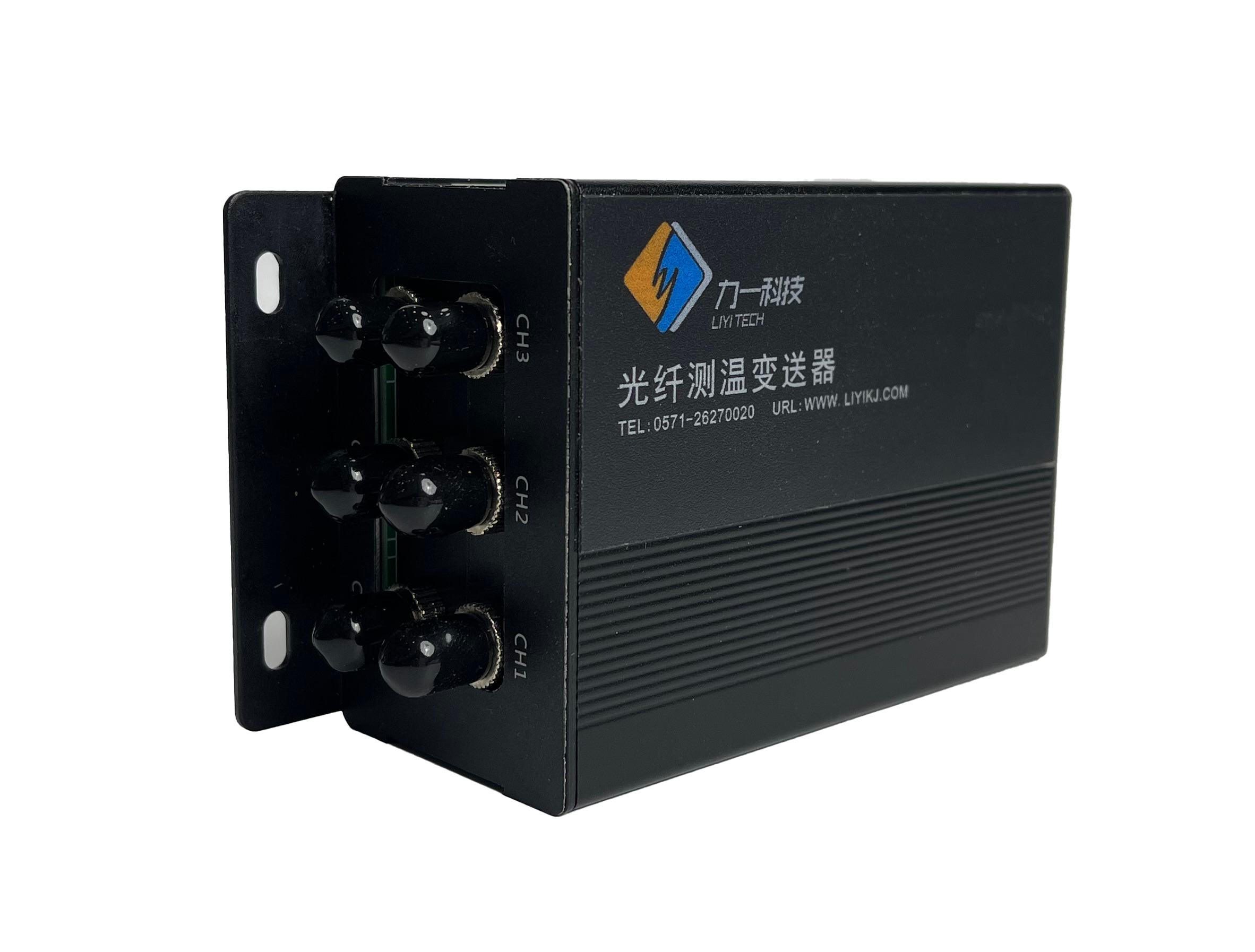
Selecting the correct sensor element is crucial for regulatory compliance. Different physical elements react differently to heat. You must match the sensor type to your specific environmental demands. Using the wrong technology guarantees failed audits and inaccurate data.
Thermocouples generate a tiny voltage when exposed to temperature changes. They handle extreme industrial conditions easily.
Best for: Extreme temperature applications. They accurately measure heat up to 4,000°F and beyond. They offer incredibly rapid response times for fast-changing processes.
Limitations: Thermocouples suffer from faster temperature drift over time. They possess lower baseline accuracy compared to other sensors. Their wide tolerance bands make them completely unsuitable for strict FDA cold-chain compliance.
RTDs utilize specialized metals. Their electrical resistance changes predictably as temperatures fluctuate. Platinum RTDs represent the gold standard for accuracy.
Best for: Environments requiring extreme stability. They provide excellent linearity and high precision. Aerospace applications and vaccine storage facilities rely heavily on RTDs. They easily pass stringent regulatory audits.
Limitations: RTDs carry a higher upfront cost. They also require continuous electrical current to measure resistance. This higher power draw negatively impacts battery life on wireless nodes.
Thermistors use ceramic or polymer materials. They are highly sensitive to minute temperature shifts.
Best for: Standard ambient room monitoring. They offer compact sizing and high sensitivity within narrow bands. Medical transport coolers often use thermistors for short-term monitoring.
Limitations: Thermistors behave non-linearly outside their specified temperature bands. They are vulnerable to self-heating errors. Improper calibration quickly renders their data useless.
Sensor Technology | Primary Advantage | Major Limitation | Ideal Application |
|---|---|---|---|
Thermocouple | Extreme temperature range (up to 4,000°F+) | Susceptible to drift; lower accuracy | Industrial furnaces, heavy manufacturing |
RTD (Platinum) | Exceptional precision and linearity | Higher cost; increased battery drain | Vaccine storage, aerospace, FDA compliance |
Thermistor | Compact size; high sensitivity | Non-linear; self-heating risks | Ambient room monitoring, narrow-range coolers |
Superior hardware fails if installed incorrectly. You must follow strict placement rules. Installation practices directly dictate your network's long-term reliability.
Gateway placement dictates signal strength. Mount your central gateways at least six feet off the floor. Elevating the unit clears most human traffic and rolling carts. Always orient the antennas vertically. Vertical orientation maximizes the horizontal radio wave spread.
Cellular gateways require special attention. Ensure they maintain unhindered proximity to exterior walls. Placing a cellular gateway deep inside a concrete bunker guarantees poor reception. Test the signal strength before permanently mounting the backplate.
Freezers present unique challenges for wireless electronics. Extreme cold destroys battery chemistry. Condensation easily shorts out exposed circuit boards. You must protect the transmitter module.
Adopt an inside/outside deployment strategy. Place the wireless transmitter module outside the freezer. Keep it at ambient room temperature. Route only the physical probe inside via dedicated access ports. This protects the delicate electronic components. It drastically preserves battery life. When deploying a Wireless Temperature Measuring Device in ultra-low temperature units, this separation is mandatory.
Monitoring bare air temperature causes operational chaos. Routine door openings create sudden, temporary air temperature spikes. Bare sensors detect these spikes instantly. This triggers unnecessary alarms.
You must implement physical thermal buffers. Immerse your air probes in buffer vials. Common buffer materials include food-grade glycol or specialized glass beads. These buffers slow the sensor's reaction time. They ensure the system measures the actual product temperature. Buffer vials ignore brief air flashes. They only trigger alarms when the stored product genuinely faces danger. This simple addition eliminates alert fatigue for your maintenance staff.
Wireless networks experience inevitable interruptions. Routers reboot. Internet service providers suffer outages. Your system must handle these disconnects flawlessly. Missing data violates compliance protocols.
Network outages are simply unavoidable. Relying entirely on continuous cloud connectivity is dangerous. You must evaluate systems featuring onboard edge processing.
Enterprise-grade sensors feature local data logging. The sensor itself contains internal memory. If the network drops, the sensor continues taking readings. It stores this data locally. Robust units hold 30 to 45 days of readings. Once connectivity restores, the sensor automatically backfills the cloud dashboard. This edge-level redundancy prevents catastrophic data gaps.
Regulated industries face strict software auditing. The FDA enforces 21 CFR Part 11 compliance. Your software architecture must support these standards fully.
Verify your system maintains immutable logs. Users cannot edit or delete historical temperature readings. The software must mandate individual user-access controls. Shared generic logins violate compliance rules. Ensure the platform supports secure electronic signatures for acknowledging alarms. Auditors demand a clear, unalterable timeline of events.
Hardware drifts over time. You must recalibrate sensors to maintain accuracy. Require hardware supporting ISO 17025 standard calibration. Obtain NIST-traceable calibration certificates for every probe.
Understand the operational downtime associated with recalibration. Some vendors require you to mail the entire unit back. This leaves your freezer unmonitored for weeks. Better systems offer swap-out programs. They send a freshly calibrated probe. You simply swap it with the old one. Other providers offer on-site calibration services. Choose the method minimizing your facility downtime.
Vendor selection carries long-term consequences. You are buying a decade-long partnership. Do not let flashy marketing distract you from industrial realities.
Software dashboards receive constant updates. User interfaces improve continuously. Brittle hardware, however, remains a permanent liability. Prioritize vendors utilizing industrial-grade enclosures.
Look for appropriate NEMA or IP ratings. High ratings protect against dust and water ingress. Proven connectivity protocols matter more than proprietary ecosystems. Avoid locked-in hardware networks. If the vendor goes out of business, proprietary hardware becomes useless e-waste. Demand standardized communication protocols.
Hardware resellers offer zero post-sale support. You require a dedicated Wireless Temperature Measuring Device manufacturer. A credible manufacturer acts as an engineering partner.
Evaluate their calibration infrastructure. Do they offer streamlined annual calibration services? Examine their return merchandise authorization (RMA) process. A straightforward RMA process saves hours of administrative frustration. Ensure they provide direct engineering support. When complex signal routing issues arise, you need factory-level engineers, not outsourced call centers.
Deploying a wireless monitoring network resolves the painful physical limitations of hardwired systems. However, it introduces completely new variables. Signal integrity, hardware selection, and data continuity demand careful planning. Facility teams must abandon consumer-grade assumptions. You must treat wireless temperature monitoring as a critical industrial IT deployment.
Before committing to a site-wide rollout, take these actionable steps:
Initiate a controlled pilot program within a single high-interference zone.
Simulate network outages by unplugging the main gateway.
Verify the manufacturer’s automated backfill capabilities when you restore power.
Audit the NIST calibration certificates for the pilot probes.
Taking a methodical, evidence-based approach ensures a flawless deployment. You will protect valuable product inventories. You will also guarantee seamless regulatory compliance for years to come.
A: Annual calibration is the industry standard. Highly regulated industries, such as pharmaceuticals, frequently require bi-annual checks. Always ensure your calibration certificates maintain strict NIST traceability. This documentation proves your sensors perform within their stated accuracy thresholds during regulatory audits.
A: Edge-level data logging handles this issue seamlessly. Enterprise-grade sensors cache temperature readings locally within their own internal memory. They store weeks of data. When the network connection is re-established, the sensors automatically sync and backfill the cloud. This prevents permanent data loss.
A: Yes, provided you use the correct physical element. While the plastic wireless transmitter body remains in a safe ambient zone, the remote probes can handle extreme environments. Type K Thermocouple probes easily measure furnace temperatures exceeding 2,000°F without damaging the wireless electronics.

