


Views: 0 Author: Site Editor Publish Time: 2026-05-15 Origin: Site


Neglected environmental controls harbor hidden financial traps for any facility. Minor energy inefficiencies can quickly snowball into catastrophic compliance failures. A ruined batch of inventory or an FDA audit violation often traces back to a single overlooked sensor. Facility managers face this operational reality every day.
You must acknowledge a fundamental truth. A Temperature And Humidity Controller is only as reliable as its baseline calibration. Unchecked sensor drift and poor configuration inevitably force your system into overcompensation. This constant strain leads directly to premature mechanical wear and systemic failure.
This guide provides an evidence-based maintenance framework. You will learn how to transition your facility from reactive troubleshooting to predictive lifecycle management. We explore core calibration protocols, software audits, and industry-specific vulnerabilities. Implementing these strategies will safeguard your operational assets and maximize hardware longevity.
Sensor drift is inevitable: Routine calibration against known standard instruments is required to maintain data integrity.
Short-cycling destroys hardware: Optimizing differential levels (deadbands) prevents rapid on/off switching and extends HVAC/chamber lifespan.
Industry thresholds dictate maintenance frequency: Server rooms fighting static discharge (ESD) require different protocols than commercial greenhouses battling condensation.
Predictive maintenance (PdM) reduces MRO costs: Leveraging data trends prevents unplanned downtime compared to blind preventative scheduling.
Upgrading hardware solves systemic flaws: Transitioning to an intelligent temperature and humidity controller automates compliance logging and remote diagnostics.
Hardware forms the foundation of any environmental control system. Routine physical maintenance prevents minor degradation from becoming major downtime. You must establish strict protocols for calibration, operational thresholds, and physical inspections.
All sensors experience natural baseline drift over time. Capacitive and resistive elements age. Chemical contaminants and dust accumulation accelerate this process. You cannot rely on factory defaults indefinitely. Establish a standardized schedule to verify readings. Use high-precision handheld calibrators to benchmark your permanent sensors. Adjust the baseline whenever you detect a deviation exceeding acceptable industry margins.
Tight tolerances often create operational risks. Narrow start/stop differentials force equipment into "short-cycling." This rapid on/off switching destroys hardware. It causes severe mechanical wear on compressors and humidifiers. Widen your start/stop differentials where compliance allows. A broader deadband allows equipment to run longer, more efficient cycles. This simple software adjustment significantly extends the lifespan of your HVAC system.
Physical degradation happens silently. You should perform regular visual inspections to catch infrastructure issues early. Follow these critical steps:
Check electrical connections: Look for corroded wiring and loose connectors. These issues manifest as erratic data spikes on your control dashboard.
Verify sensor placement: Ensure probes remain unobstructed. Do not move them near vents, doors, or direct heat sources. Poor placement skews systemic response and triggers false readings.
Inspect housing integrity: Look for cracks or moisture ingress in the sensor housing. Damage here leads directly to component shorting.
Humidifier reservoirs pose significant risks if ignored. Microbial growth and calcification thrive in stagnant water. This risk spikes heavily after 2 to 3 days of idle time. Biofilms and scale build up rapidly. They degrade heating elements and falsify test chamber precision. You must drain idle systems. Implement a strict sanitization protocol for all wet components to maintain hygienic, accurate vapor production.
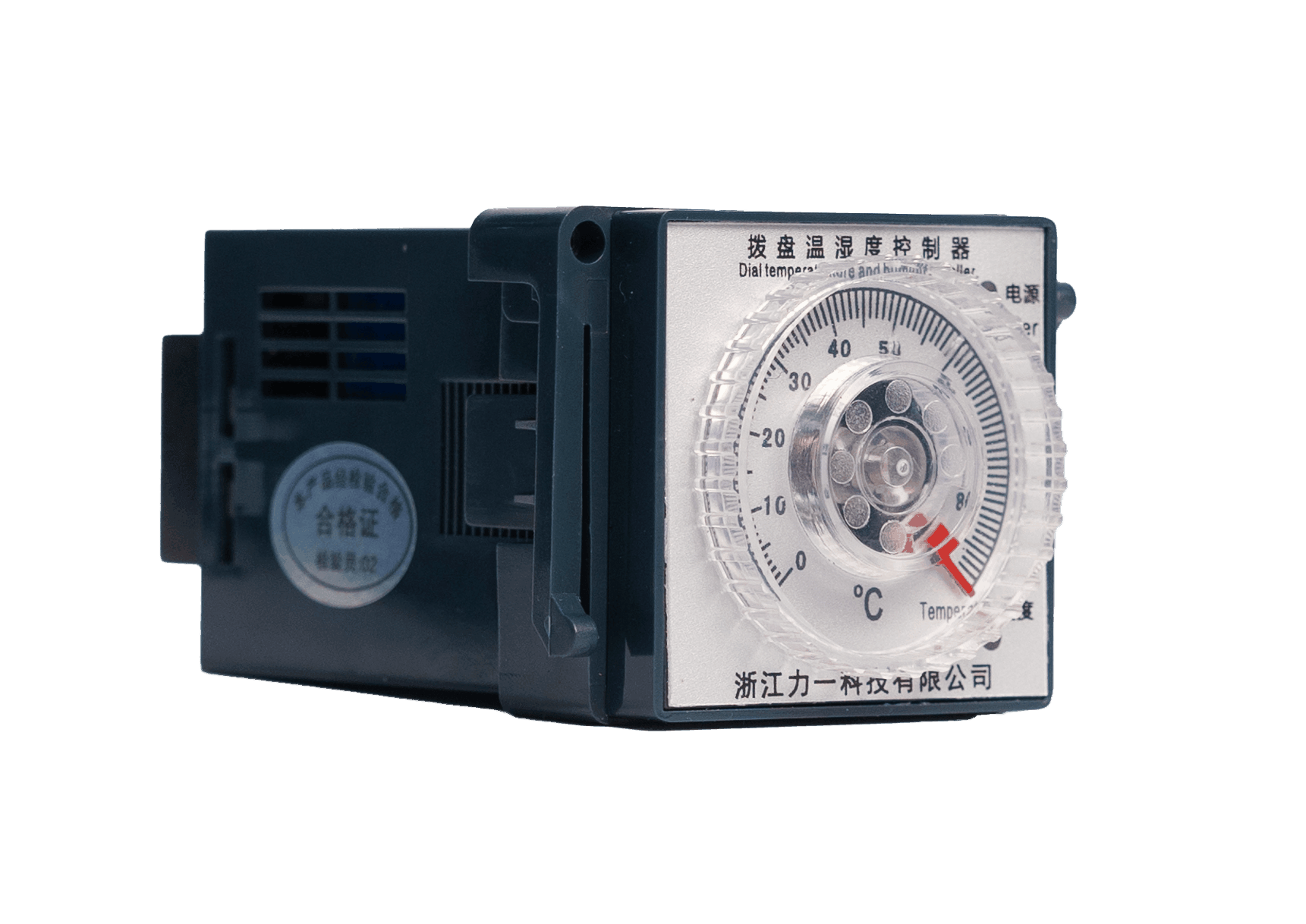
Hardware maintenance only solves half the equation. Your software configurations dictate how the hardware behaves. Regular audits of set points and failsafes ensure your system adapts to changing conditions safely.
Periodically audit your target metrics. Environmental loads change with the seasons. What works perfectly for summer dehumidification often fails in winter. You must execute aggressive recalibrations for winter conditions. This approach maintains a stable baseline. Standard commercial environments typically require 30–50% relative humidity (RH).
Typical Seasonal Set Point Adjustments | |||
Season | Primary Challenge | Target RH Baseline | System Priority |
|---|---|---|---|
Summer | High moisture ingress, condensation | 45% - 50% | Dehumidification & mold prevention |
Winter | Extreme dryness, cold air infiltration | 30% - 40% | Humidification & comfort maintenance |
Treat system alarms as life-safety nets for your inventory. Never assume they work. Run simulated out-of-bound tests quarterly. Force a sensor to read outside the acceptable range. Verify that these alerts properly trigger mechanical overrides. Ensure they immediately notify facility managers via email or SMS. A silent alarm during a weekend failure guarantees disastrous losses.
Evaluate your operational schedule. Determine if non-critical hours can utilize widened tolerance bands. If the facility empties at night, strict tolerances waste power. Expanding the deadbands during these periods lowers energy consumption. You achieve this cost reduction without sacrificing the fundamental integrity of the controlled environment.
Different industries face entirely different environmental threats. A maintenance protocol designed for a commercial office will fail in a cleanroom. You must tailor your strategies to your specific operational vulnerabilities.
Data centers face a unique danger: over-dehumidification. Server rooms generate massive heat, prompting aggressive cooling. However, dropping below 30% RH prevents the dissipation of static electricity (ESD). Static buildup risks catastrophic microchip failure. Your maintenance protocols must prioritize humidifier uptime. Inspect water supply lines and vapor distribution mechanisms frequently to prevent dangerous dry spots.
Pharmaceutical facilities operate under stringent regulatory compliance. FDA and ISO standards leave no room for error. Your maintenance logs must be completely audit-ready. They must prove your units maintain exact tolerances over time. Temperature fluctuations cause active ingredient degradation. You must document every calibration and differential adjustment. Strict traceability is non-negotiable in this sector.
Greenhouses battle the "open-close paradox." Venting the space drops the temperature but severely depletes humidity. Closing the vents spikes humidity and creates dangerous heat traps. A highly responsive Temperature And Humidity Controller helps balance auxiliary equipment. Maintenance here must focus on integrating HAF (Horizontal Air Flow) fans, misting lines, and exhaust vents. Proper synchronization eliminates microclimates and ensures uniform plant growth.
Modern facility management requires a proactive mindset. Relying on outdated maintenance models drains budgets and leaves facilities vulnerable to sudden breakdowns.
Traditional maintenance falls into two flawed categories. Reactive maintenance waits for equipment to break before fixing it. Blind preventative maintenance replaces parts on a rigid calendar schedule, often discarding perfectly good components. Predictive Maintenance (PdM) changes the paradigm. It uses real-time data to anticipate failures before they occur.
Chart: Comparison of Maintenance Methodologies | |||
Methodology | Trigger mechanism | Operational Impact | Cost Efficiency |
|---|---|---|---|
Reactive | Equipment failure | High unplanned downtime | Lowest (High emergency repair costs) |
Preventative | Calendar/Time schedule | Scheduled downtime | Moderate (Wastes usable parts) |
Predictive (PdM) | Data anomaly detection | Near-zero unplanned downtime | Highest (Maximizes part lifespan) |
You already generate the data needed for PdM. Use your trend logs to spot micro-anomalies. For example, observe the duration of your cooling cycles. If a cooling cycle takes 10% longer today than it did last month, a component is struggling. It might be a dirty coil, a refrigerant leak, or a failing compressor. Identifying these trends allows you to address failing components before they cause system-wide shutdowns.
PdM fundamentally changes Maintenance, Repair, and Operations (MRO) spending. It minimizes unnecessary part replacements. You only repair what actually shows signs of degradation. This data-driven approach maximizes the operational lifespan of your existing HVAC and control infrastructure. It eliminates the guesswork, freeing up your budget for strategic facility improvements.
Even the best maintenance cannot save obsolete hardware. You will eventually reach a point of diminishing returns. Recognizing when to upgrade is a critical facility management skill.
Look for signs that legacy controllers hinder your operations. Manual data logging is a massive red flag. It wastes labor and invites human error. Another limitation is the inability to decouple temperature and humidity responses. If your system cannot adjust one without wildly skewing the other, it is obsolete. A lack of remote alerts also leaves your facility vulnerable during off-hours.
Modern hardware offers transformative capabilities. Frame your evaluation criteria around upgrading to an Intelligent Temperature And Humidity Controller by looking for these features:
IoT & Cloud Integration: You need real-time mobile alerts. API connectivity is crucial for integrating with broader building management systems (BMS).
Automated Maintenance Cycles: Look for self-draining lines or automated reservoir cleaning protocols. These features eliminate tedious manual SOPs and reduce human error.
AI-Driven Adaptive Logic: Advanced controllers learn environmental thermal loads over time. They automatically adjust differentials to prevent overshoots, constantly optimizing energy use.
Upgrading is highly beneficial, but you must prepare for implementation realities. You must carefully integrate new digital controllers with existing legacy HVAC components. Voltage mismatches and communication protocol errors can occur. Furthermore, you must allocate time for staff retraining. Your team needs to understand the new compliance reporting interfaces and how to interpret AI-driven diagnostic alerts.
Proper environmental control maintenance serves as a critical financial safeguard. It is far more than a simple technical chore. By eliminating sensor drift, optimizing your deadbands, and keeping reservoirs clean, you protect thousands of dollars in inventory and HVAC hardware. Shifting toward predictive data analysis transforms maintenance from a cost center into an efficiency driver.
Your next step should be immediate and action-oriented. Begin with a comprehensive audit of your current sensor accuracy. Check your differential settings to ensure you aren't short-cycling your compressors. Finally, run a cost-benefit analysis on adopting predictive maintenance software. If your legacy systems hold you back, strongly consider upgrading your core hardware to leverage modern automation.
A: Calibrate your controller based on manufacturer baselines and industry compliance standards. Typically, facilities perform this every 6 to 12 months. Strict sectors like pharmaceuticals require more frequent checks to satisfy regulatory audits.
A: Sensor drift occurs due to prolonged environmental exposure and the natural aging of capacitive or resistive elements. Chemical contaminants, particulate matter, and dust accumulation also accelerate this process.
A: Yes. Localized hot or cold spots trigger false readings. This skewed data forces your system into short-cycling. Frequent rapid starts and stops cause severe wear, leading to premature mechanical failure of compressors and fans.

